


 info@lighttech.pro
Funny Duck Pub
Address: 22 Karla Libknekhta St., Yekaterinburg Project year: 2013. Website: www.funny-duck.ru
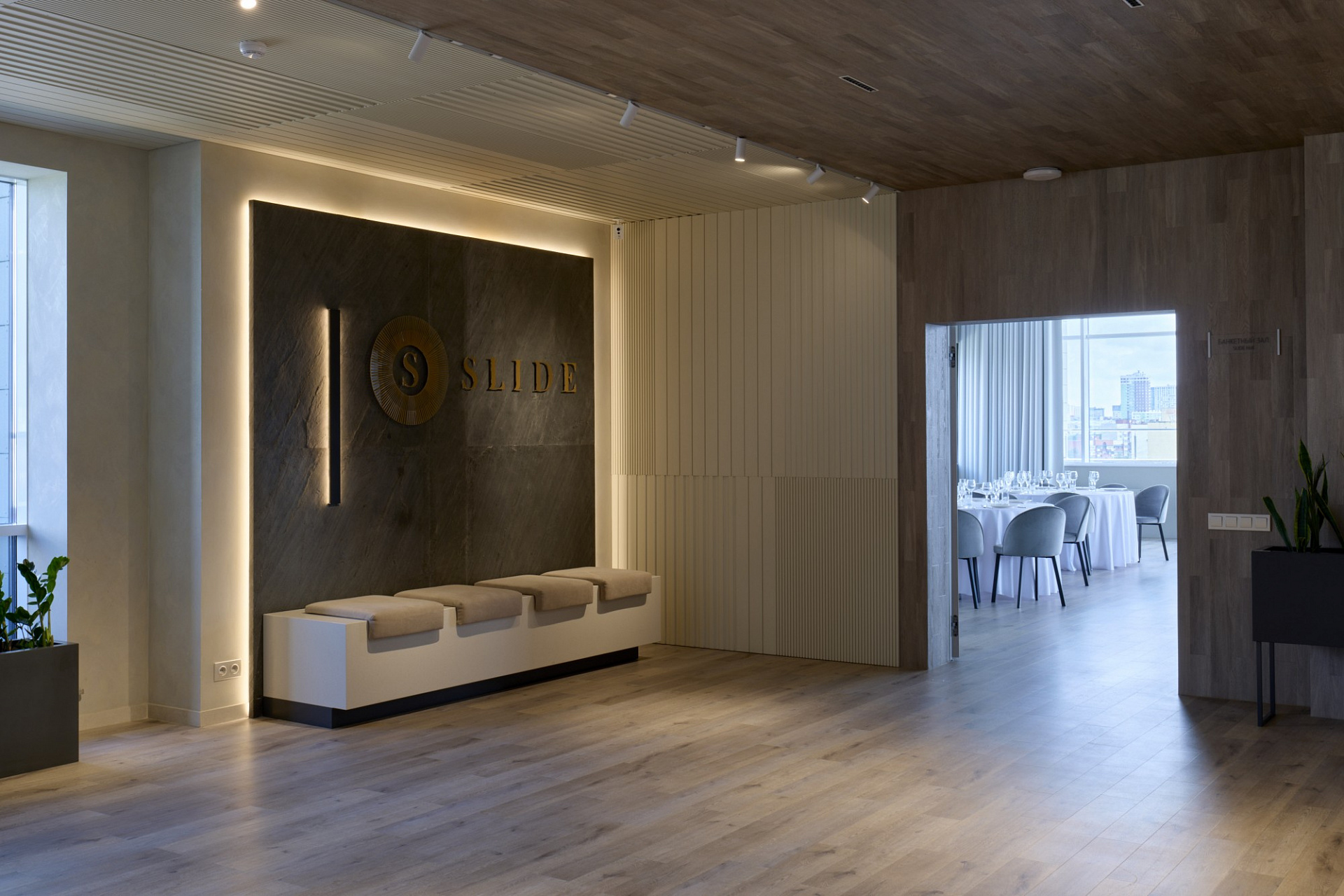
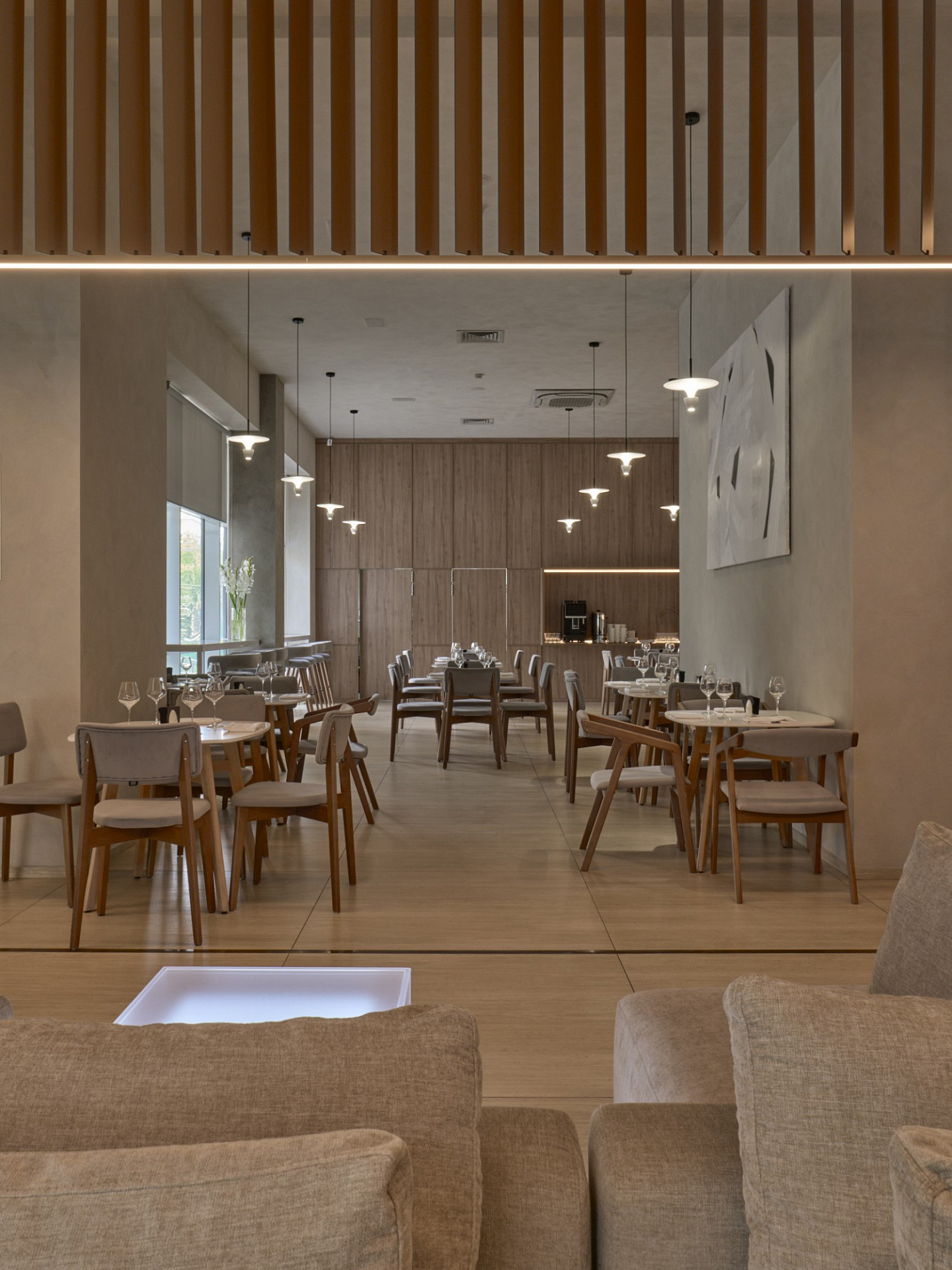
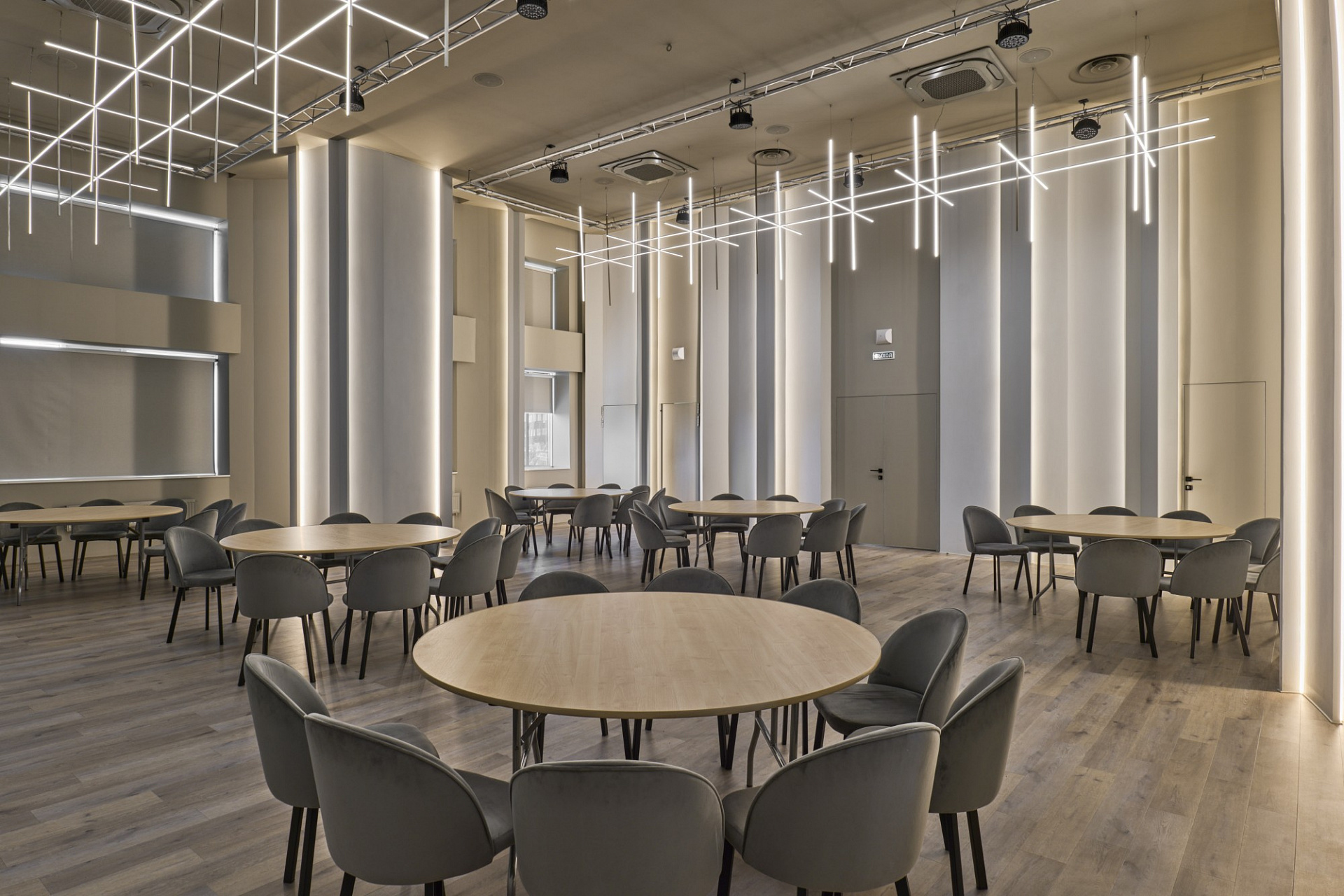
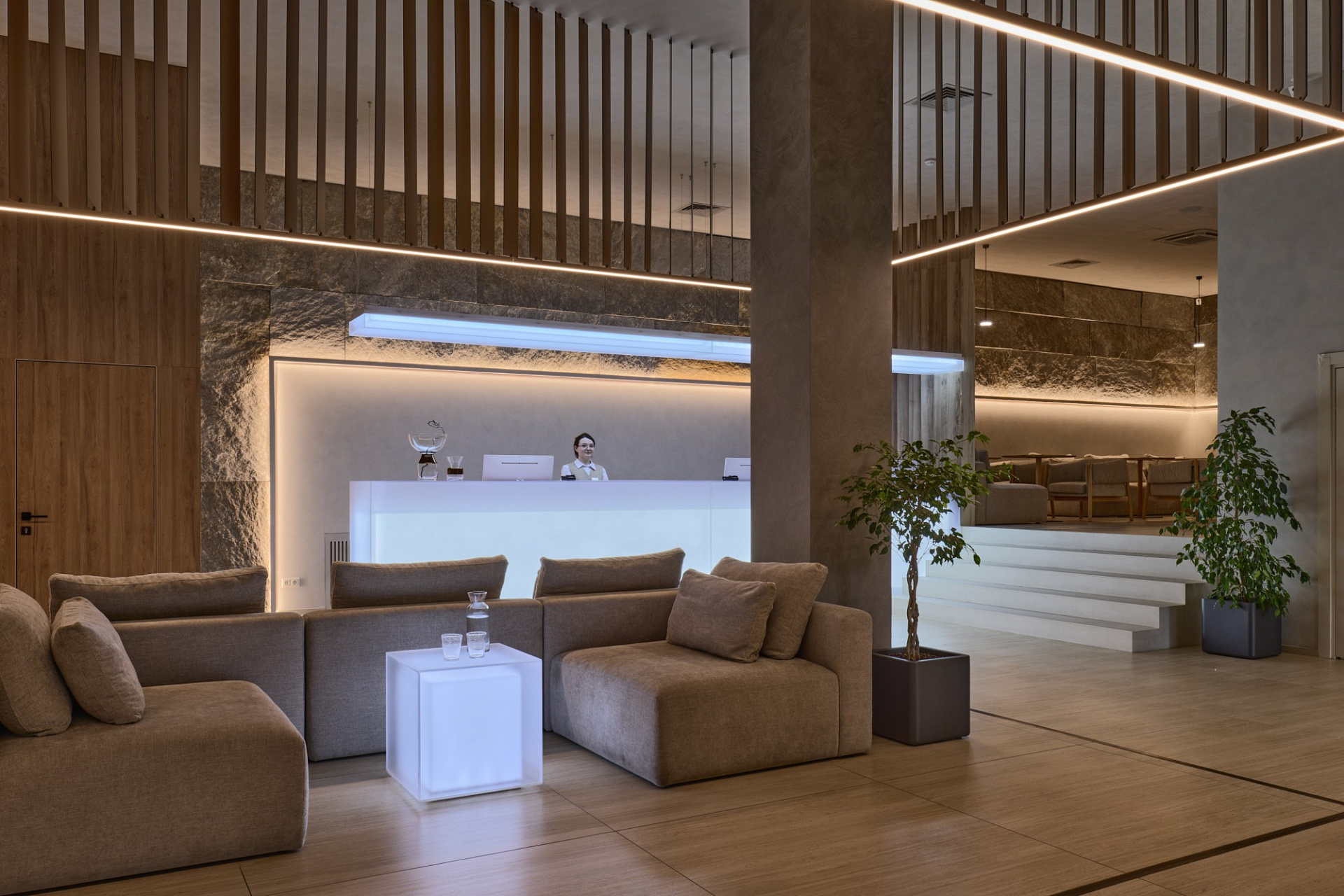
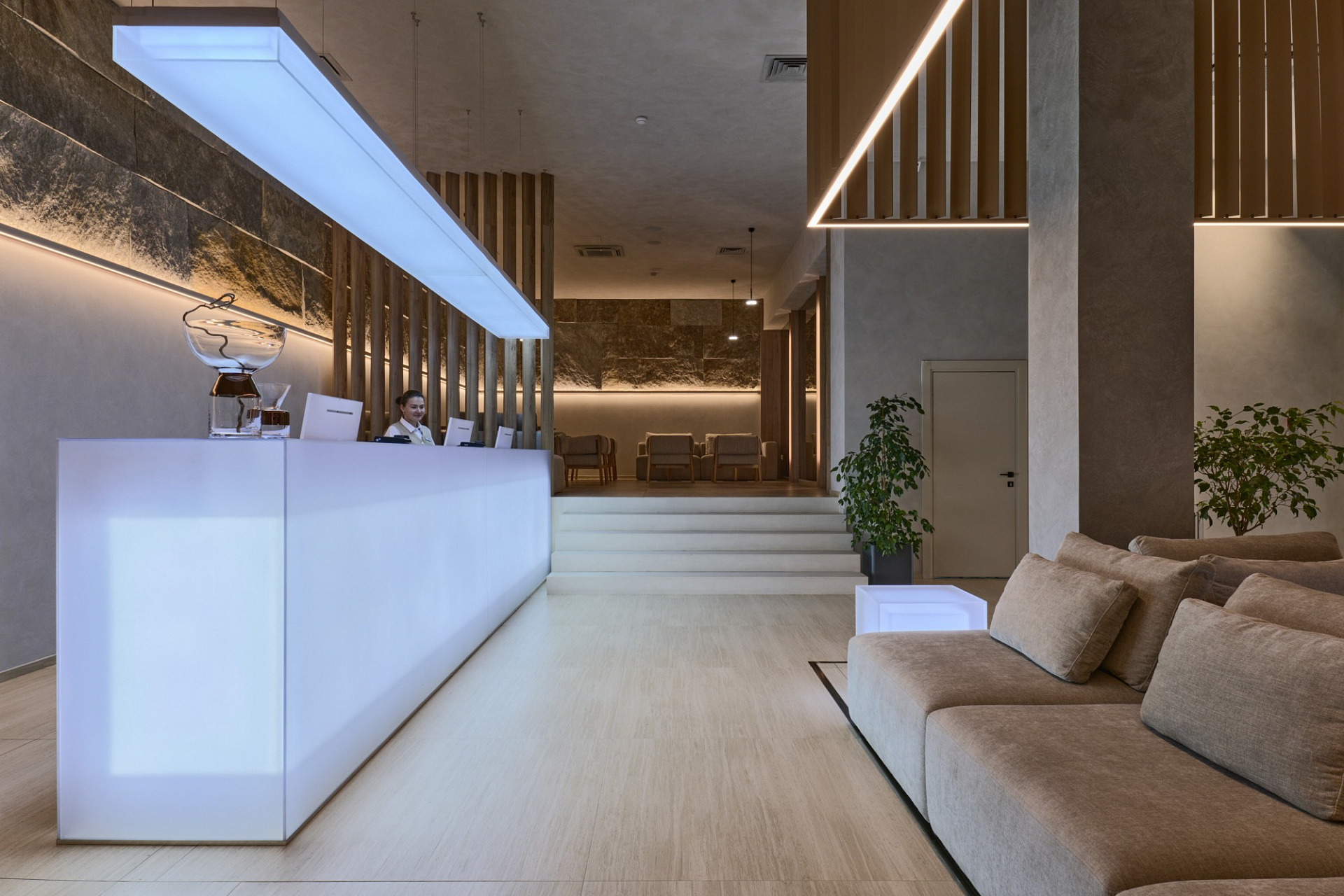
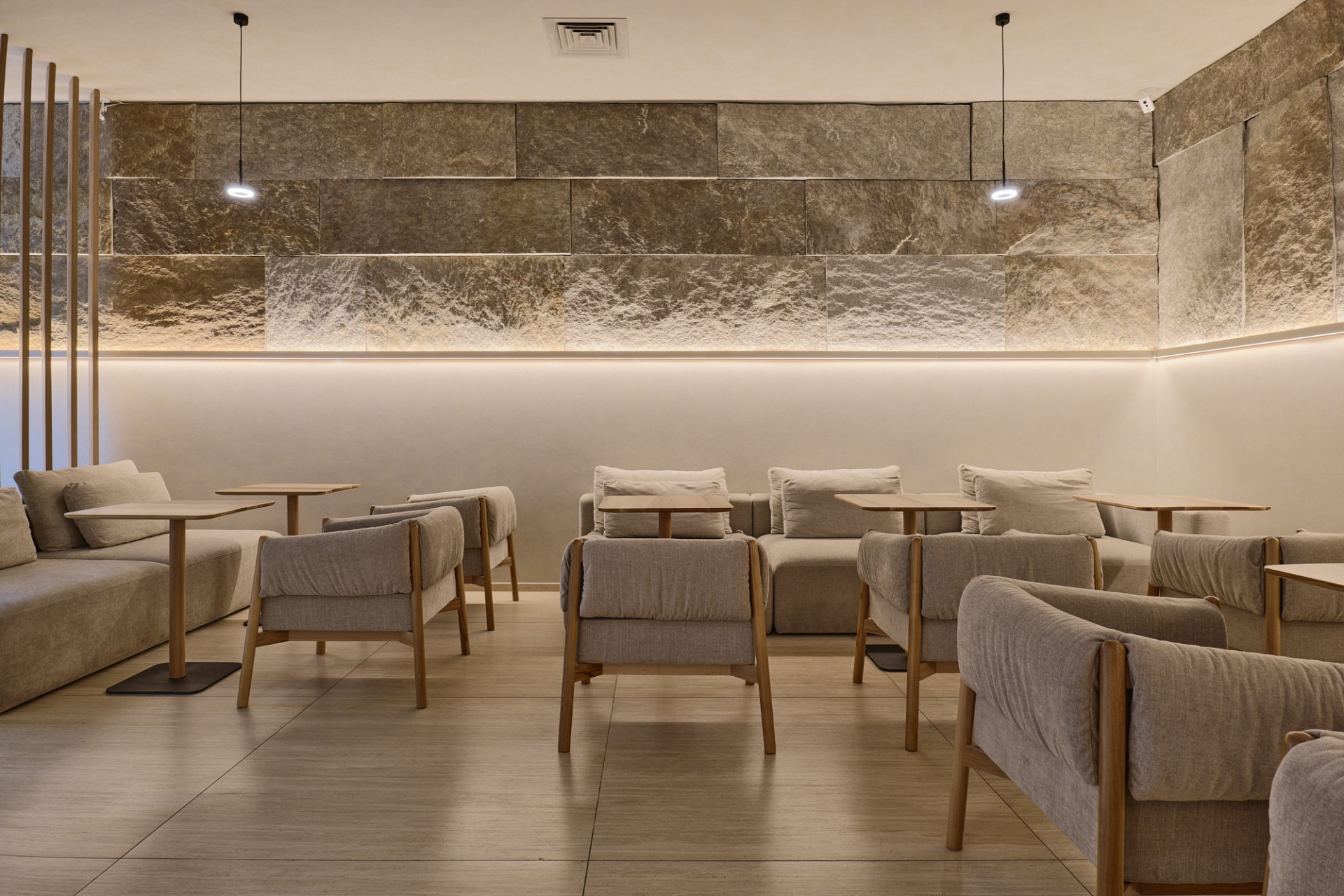
The SLIDE Hotel is a new space in Yekaterinburg aimed at business travellers and tourists who value comfort, functionality and an aesthetically refined atmosphere. Lighttech carried out a full range of work on selecting and supplying the lighting equipment for all the interior zones of the hotel, ensuring a high quality of the light environment and its consistency with the architectural concept of the site.
The lighting project was developed with an emphasis on creating flexible lighting scenarios supporting the comfort of the guests throughout their stay: The lobby, lounge areas and restaurant feature designer luminaires with dimmable light sources and a warm colour temperature, creating a cosy and welcoming atmosphere. The lighting of the conference halls and the co-working space is focused on functionality and visual comfort: the system includes luminaires with adjustable brightness and the ability to change lighting scenarios depending on the type of event.
The rooms have zoned lighting including accent, functional and decorative luminaires, allowing guests to adjust the light environment to their personal preferences - from soft evening light to full working lighting. All the applied solutions are based on energy-efficient LED sources and modern control systems, making it possible to optimise energy consumption without compromising visual perception and comfort.
The result of the Lighttech team's work is lighting that organically complements the interior solutions and enhances the emotional perception of the space. Light in the SLIDE Hotel has become an important tool shaping an atmosphere of comfort, balance and modern style, matching the status of a business-class hotel.
Lighting technology is an applied field of science and engineering dealing with the generation, spatial redistribution, measurement and practical use of optical radiation. For a long time its role was limited to providing visibility at night, but modern lighting technology has grown into a complex interdisciplinary industry at the intersection of optics, materials science, microelectronics, architecture and neurobiology.
The fundamental turning point in the industry was the solid-state revolution — the transition to semiconductor light sources (LED). LEDs displaced traditional incandescent lamps and gas-discharge tubes thanks to phenomenal energy efficiency, miniature size, longevity (tens of thousands of operating hours) and high resistance to mechanical damage. This made it possible to abandon bulky luminaires in favour of integrated architectural solutions, concealed lighting and ultra-thin optical systems based on secondary optics (lenses, collimators and microprismatic diffusers).
The approach to light quality has changed in parallel. Where luminous efficacy (lumens per watt) used to be the main criterion, the focus has now shifted to colour rendering (CRI and TM-30 indices) and visual comfort. The suppression of parasitic flicker and control of the discomfort glare index (UGR) have become key parameters.
The key trend in modern lighting technology is the Human Centric Lighting (HCL) concept. The discovery of photosensitive retinal ganglion cells proved that the spectral composition and intensity of light directly govern our circadian rhythms. By changing the colour temperature (from a warm, relaxing 2700 K spectrum to a cold, invigorating 6500 K) during the day, modern dynamic lighting systems synchronise the production of melatonin and cortisol, improving concentration during the day and promoting deep sleep at night.
The integration of lighting technology with digital protocols (DALI-2, Zigbee, Bluetooth Mesh) and presence and daylight sensors has turned luminaires into key nodes of smart buildings and cities, where light switches on exactly where and when it is needed.