


 info@lighttech.pro
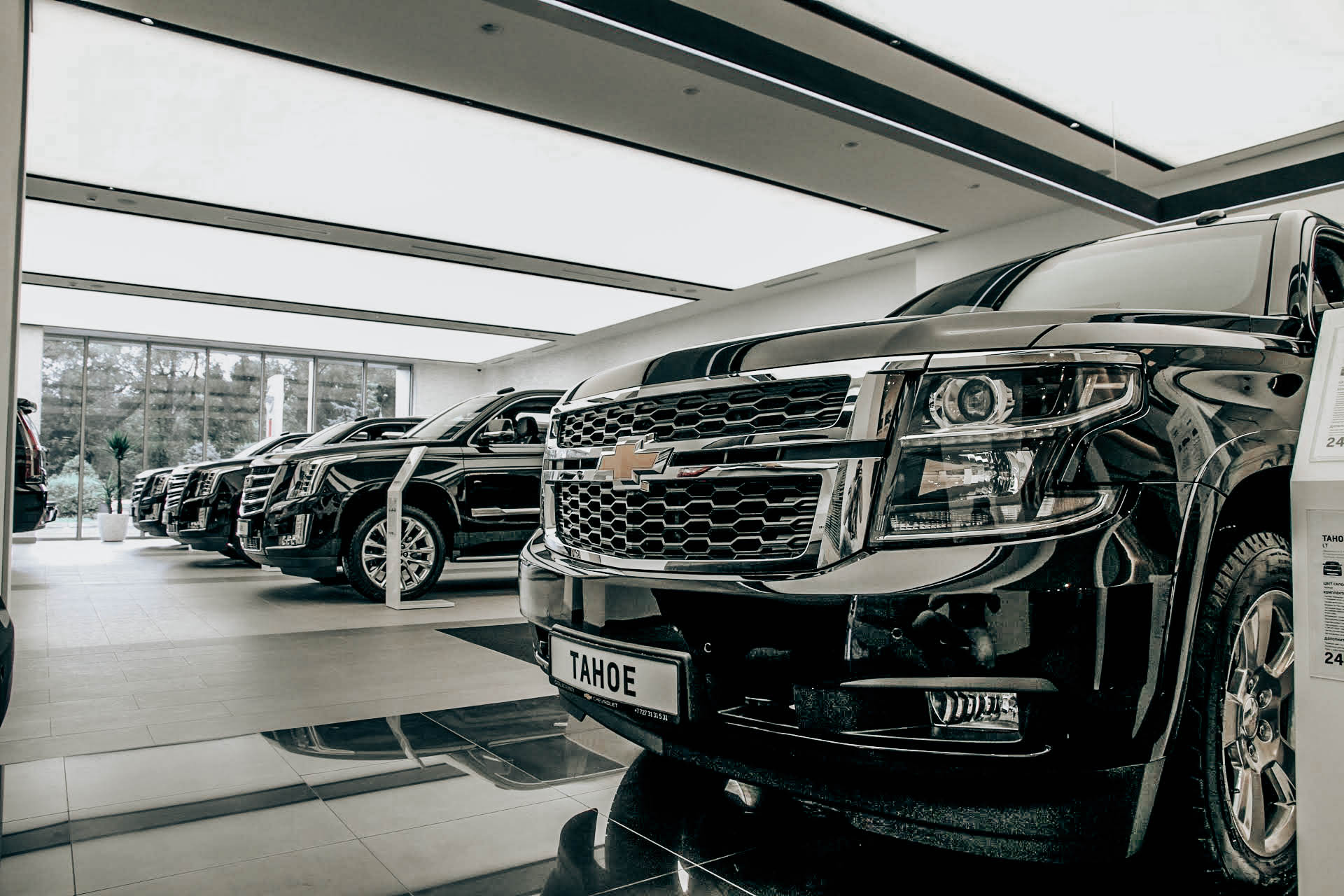
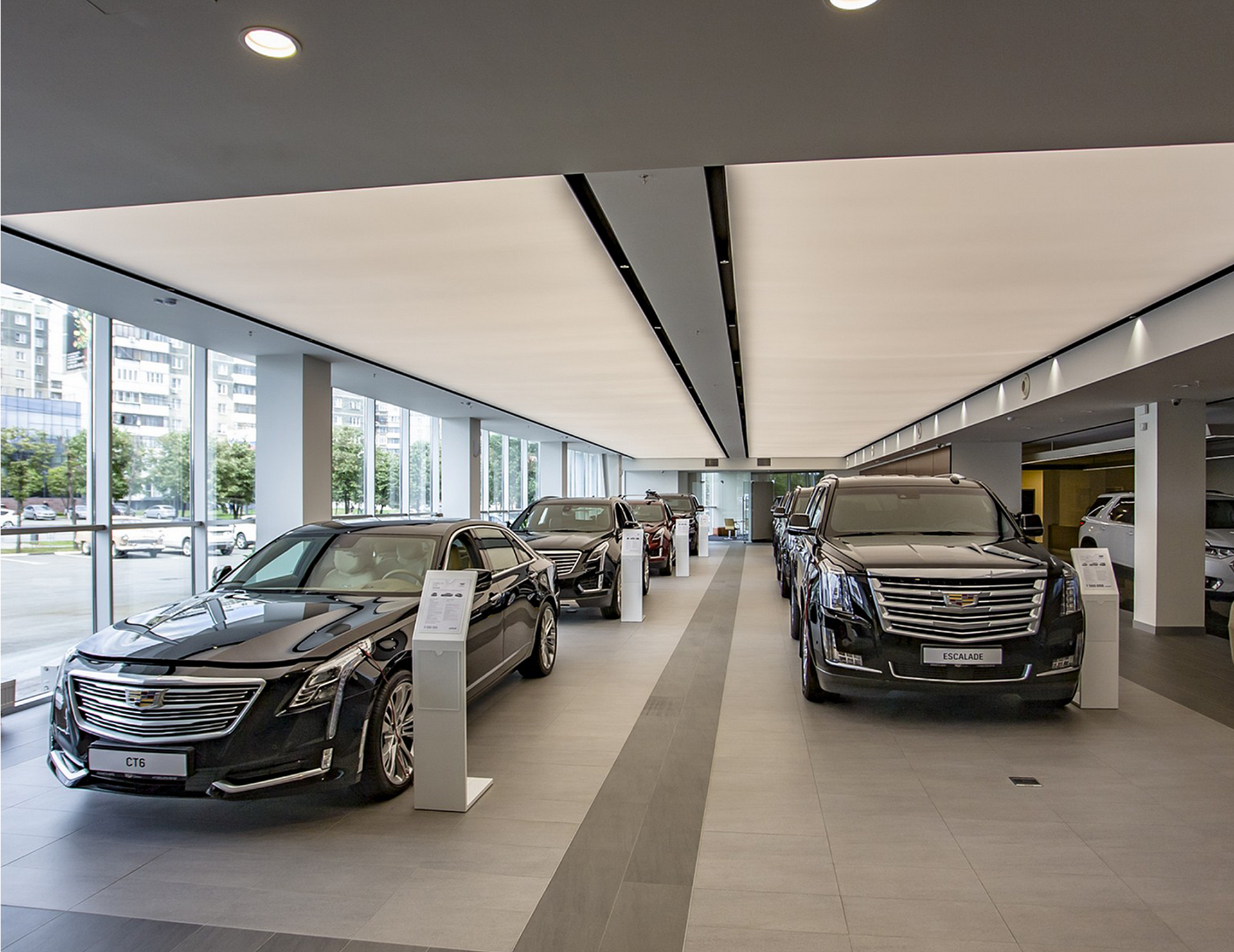
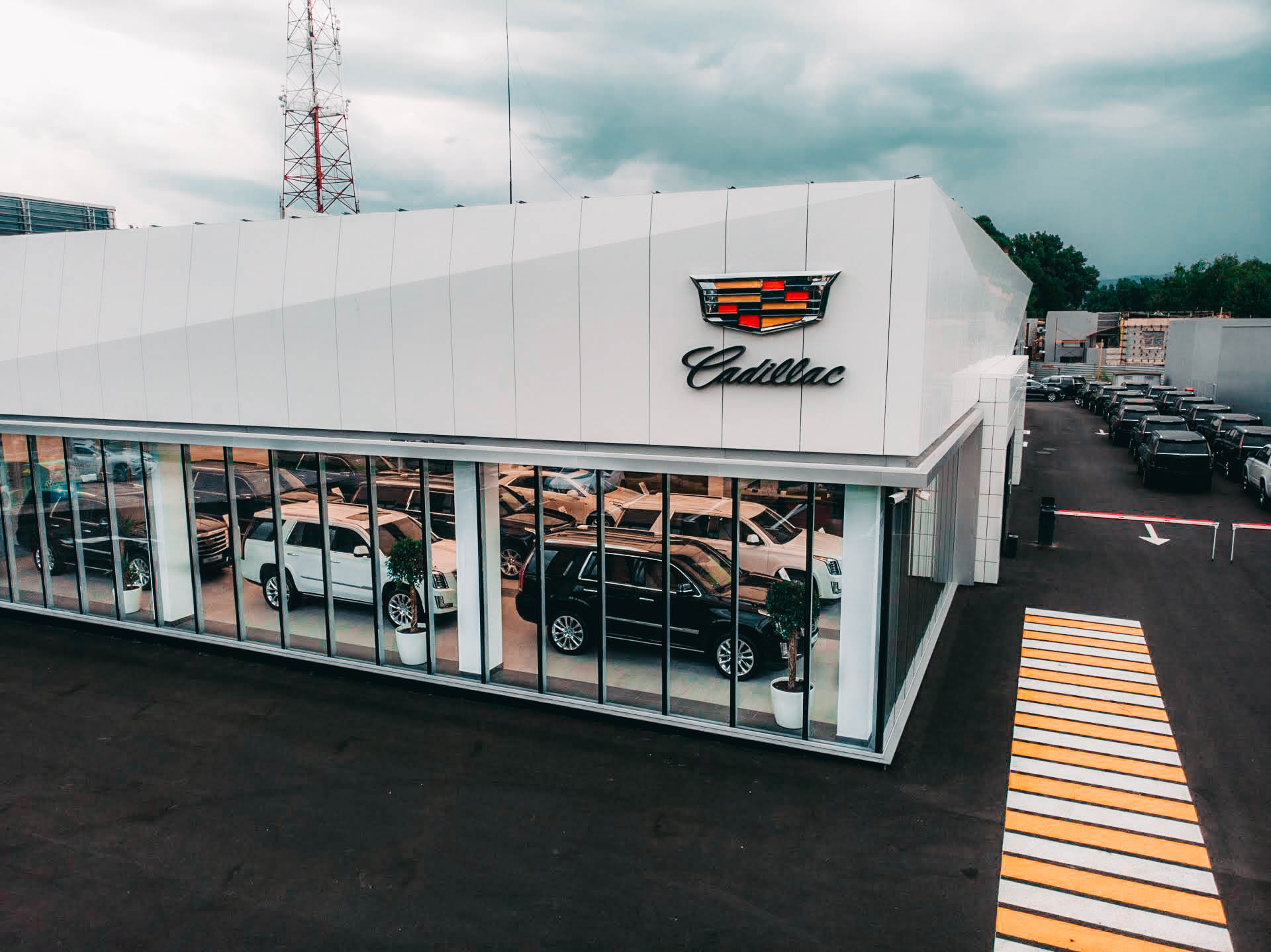
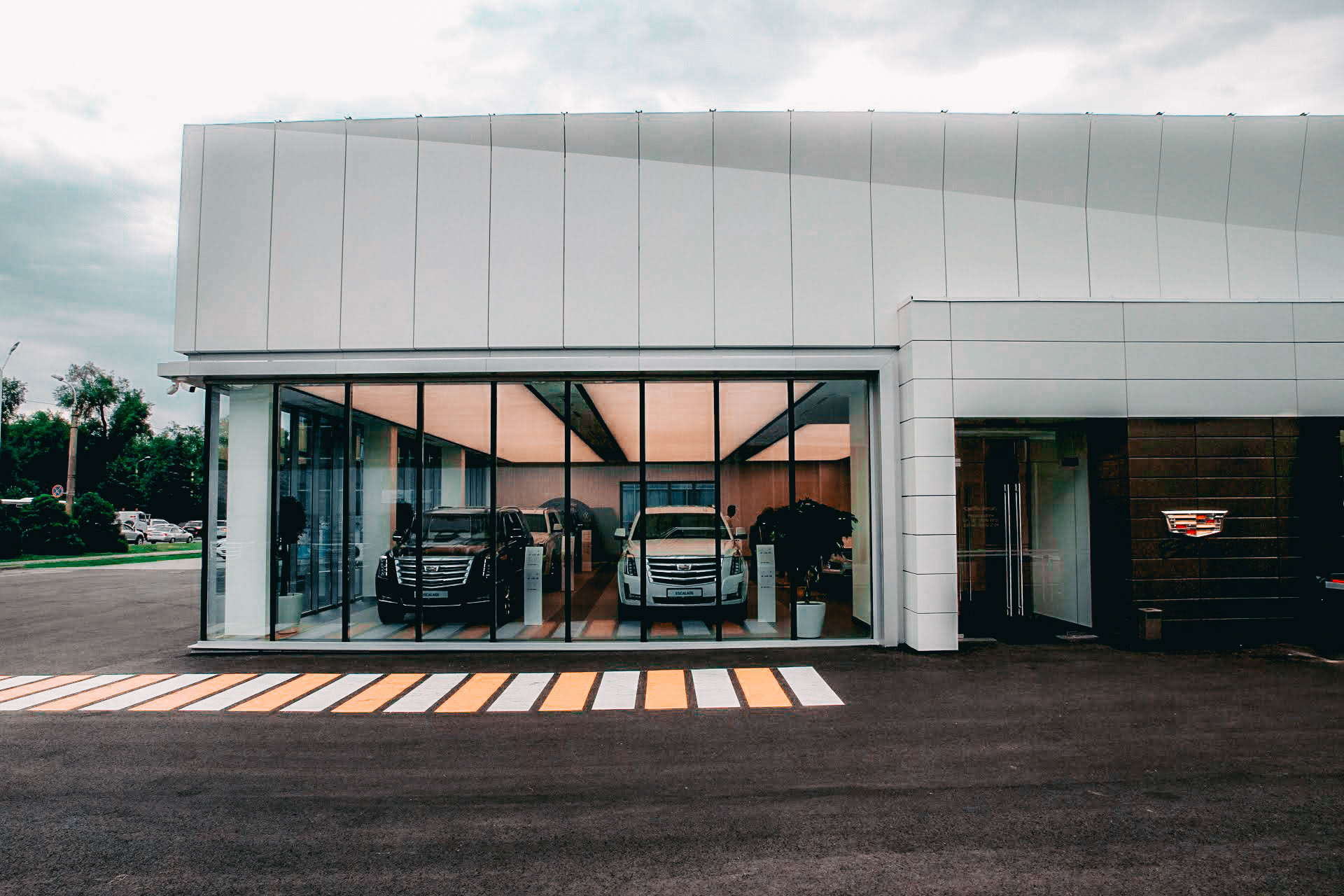
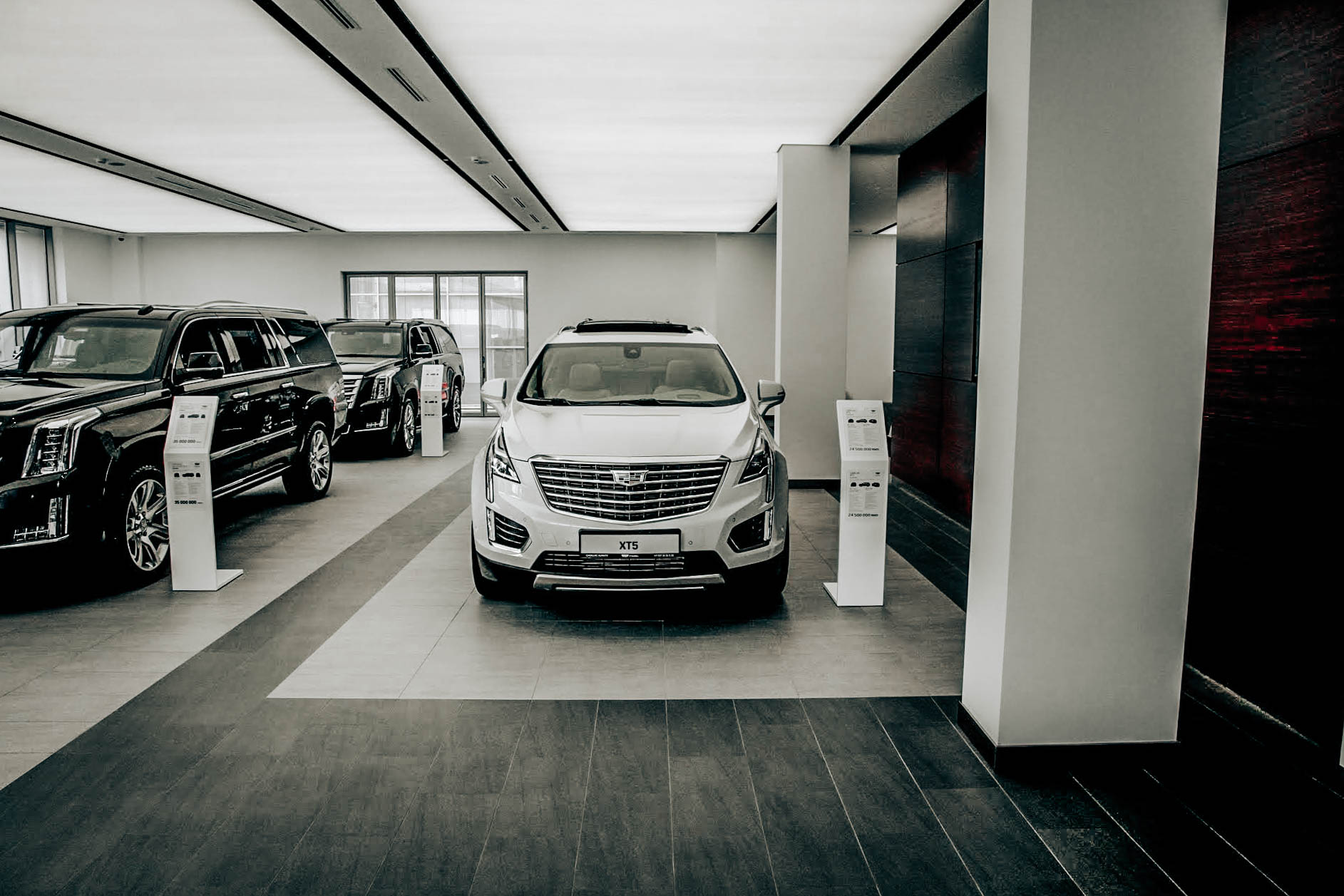
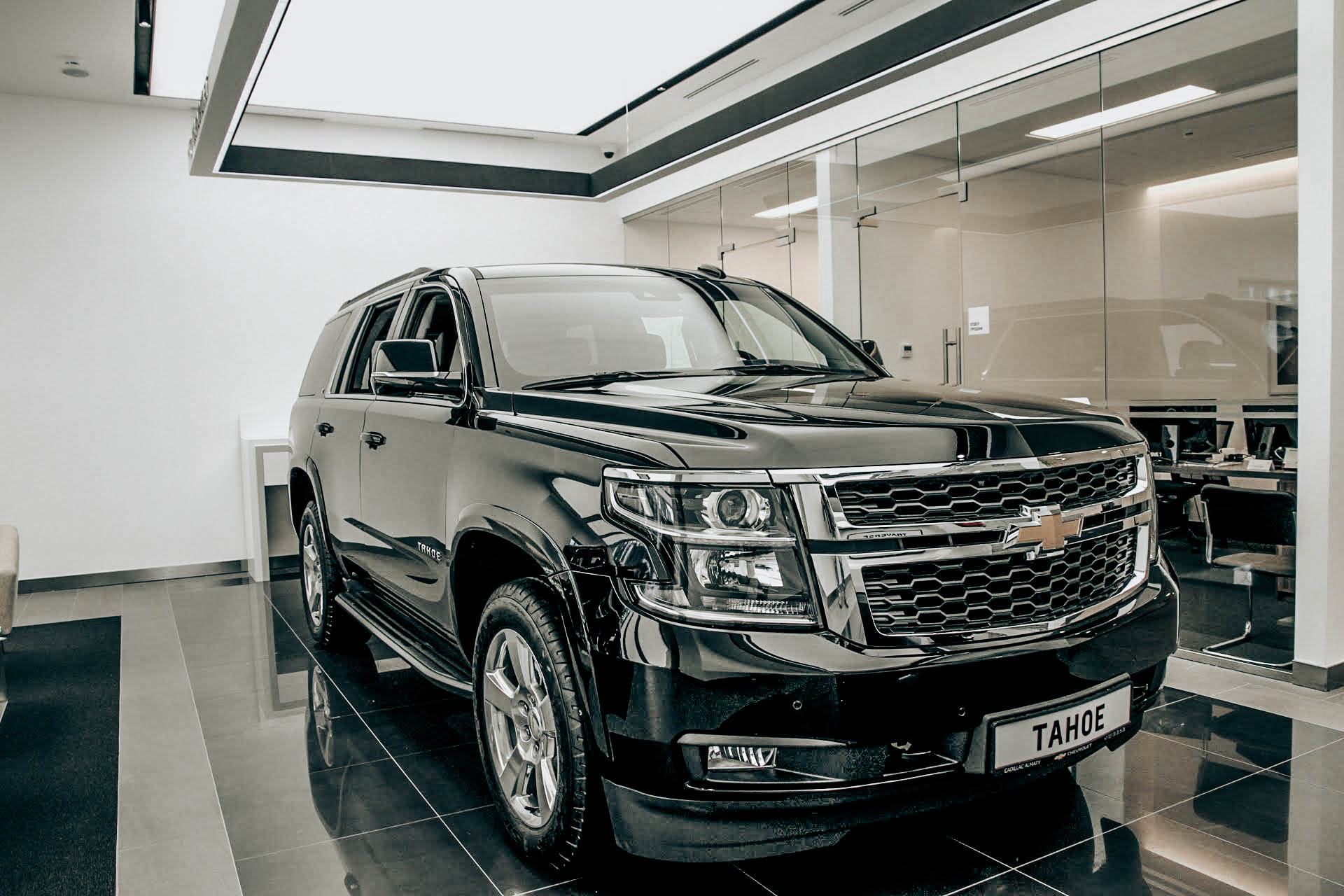

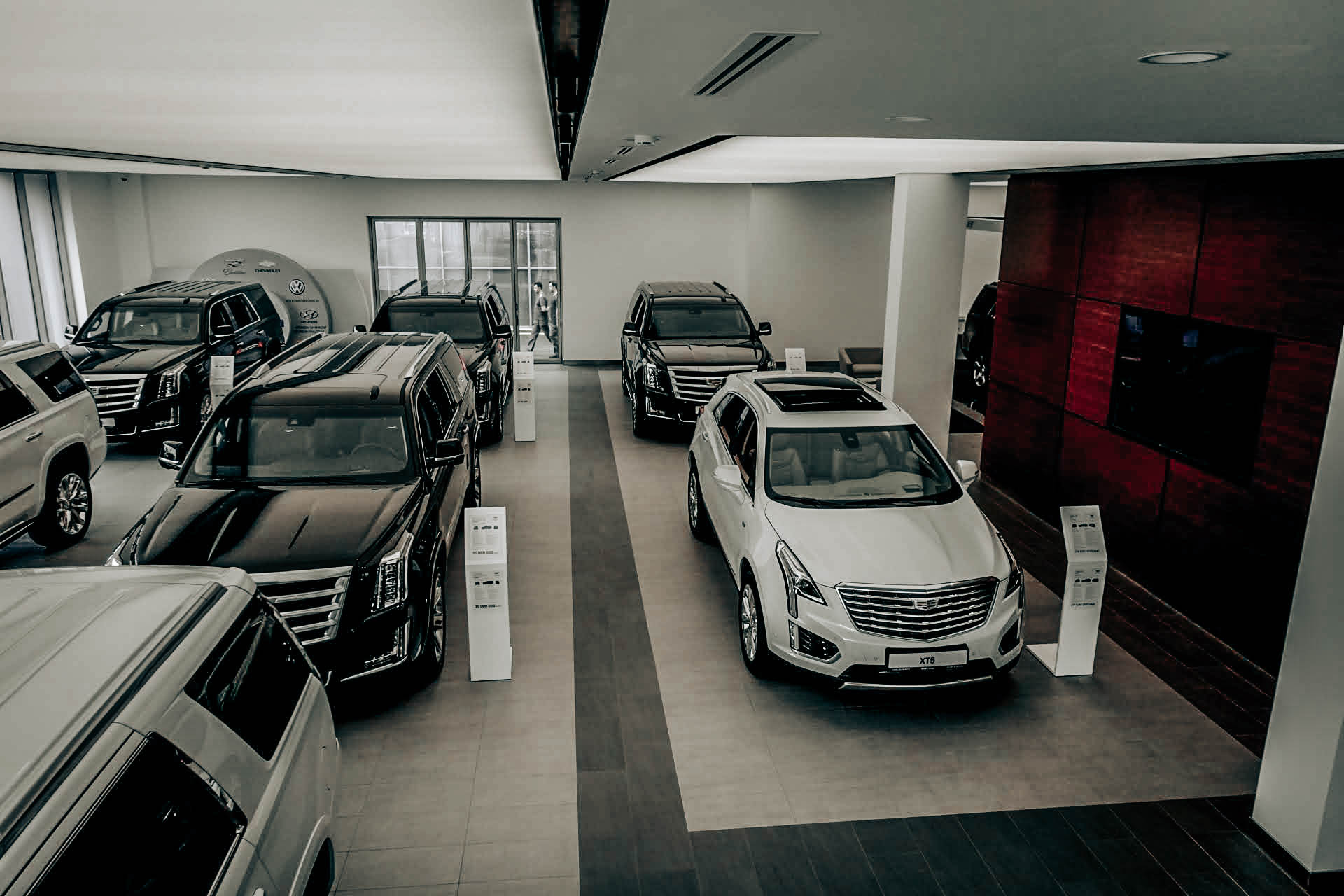

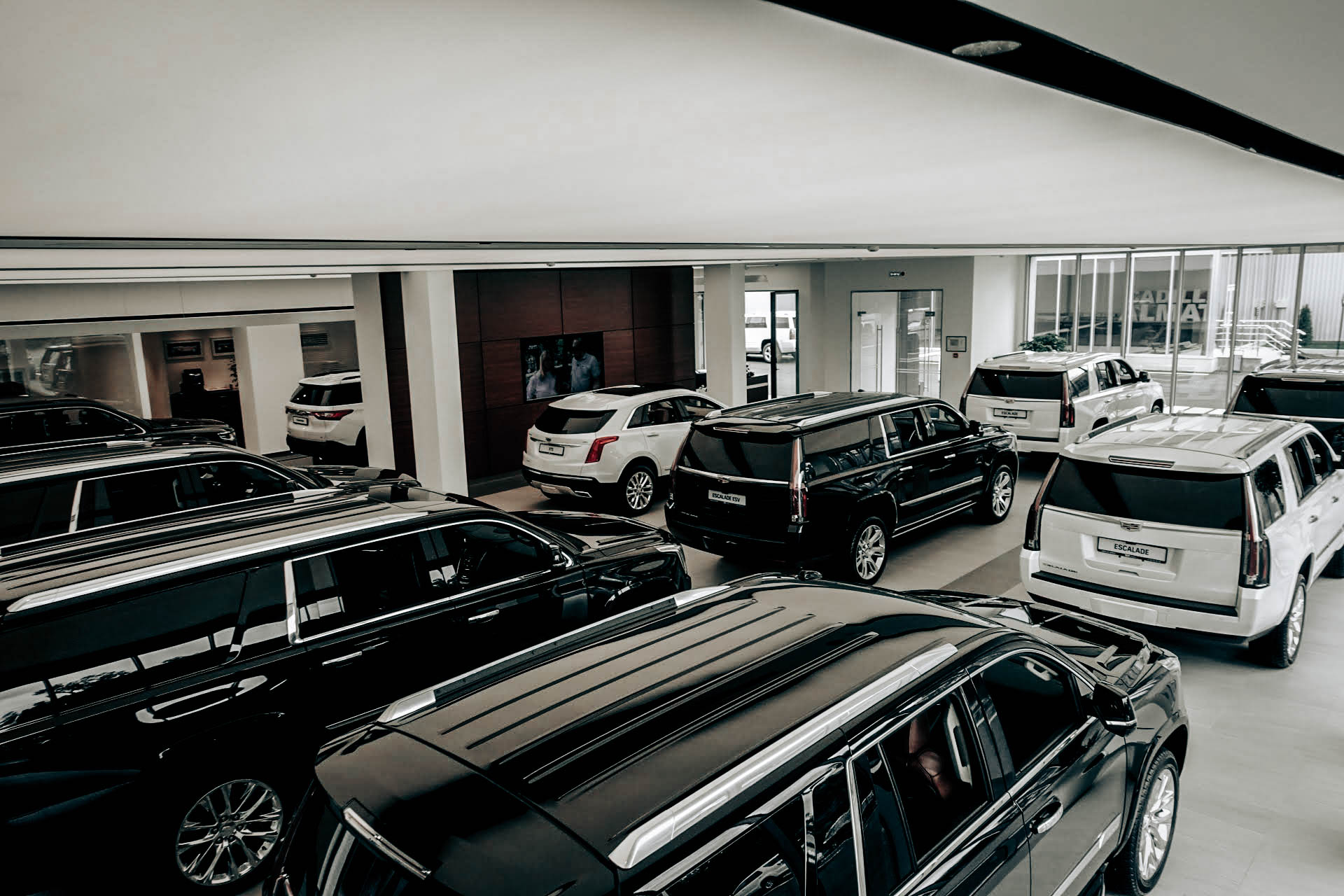
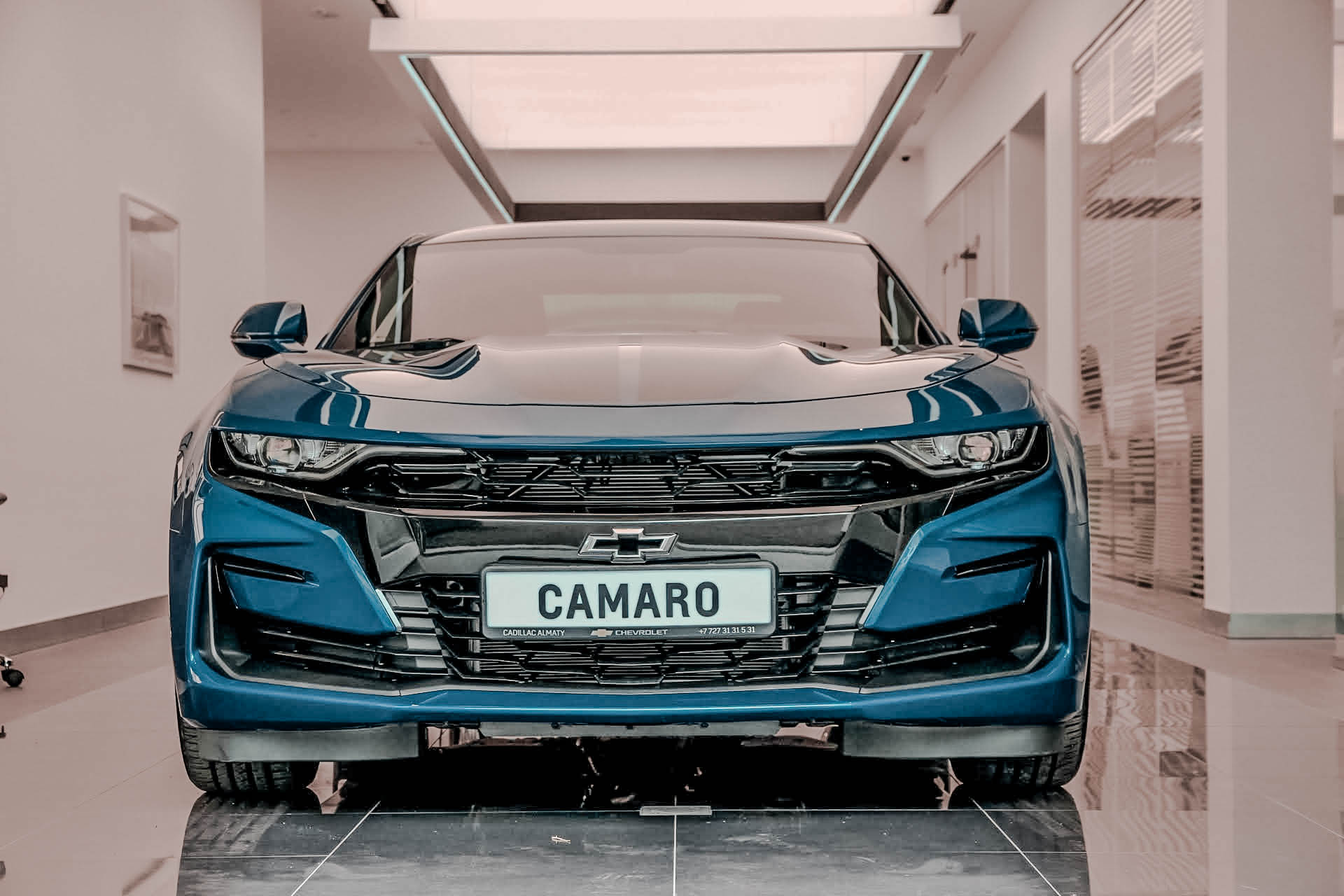
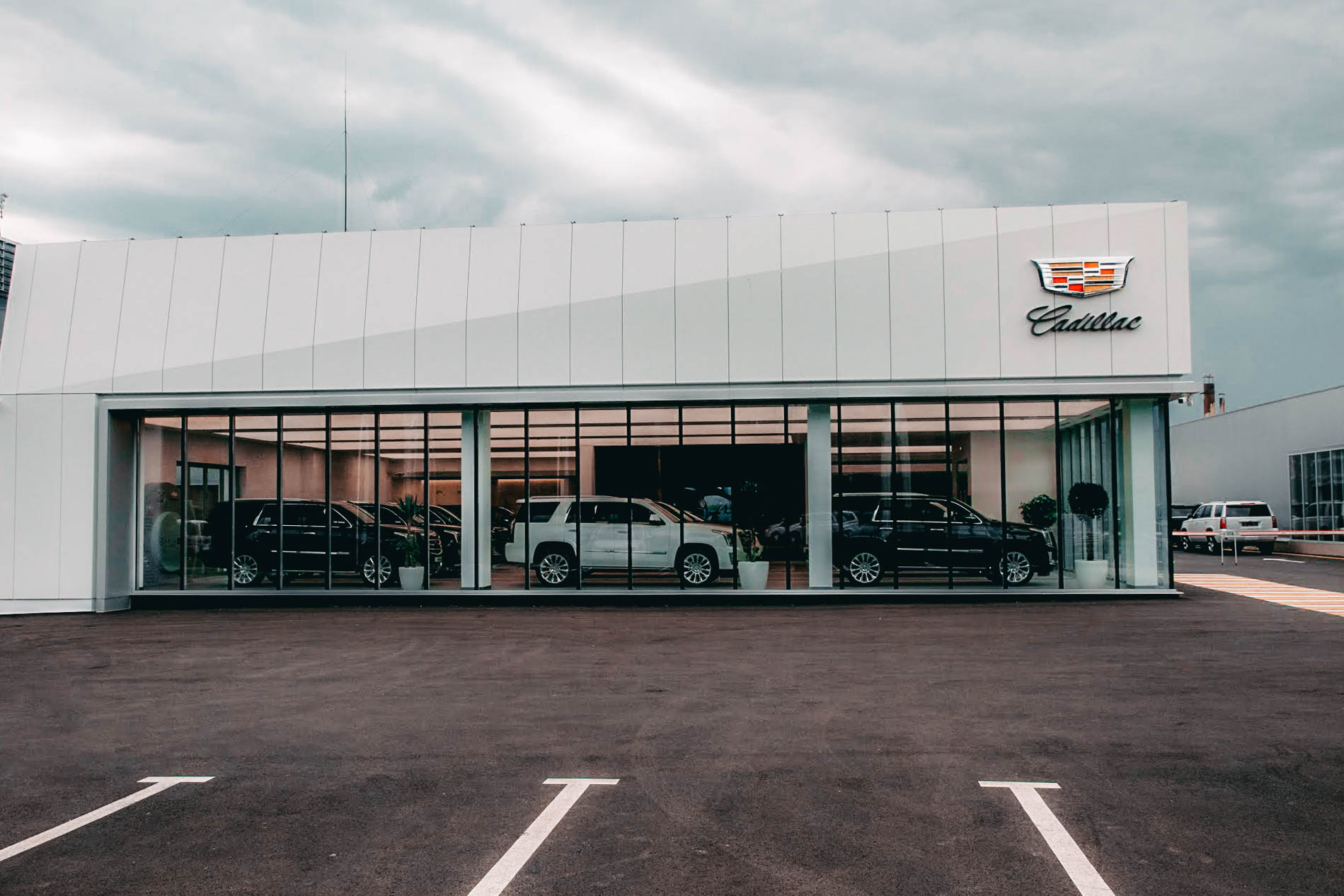
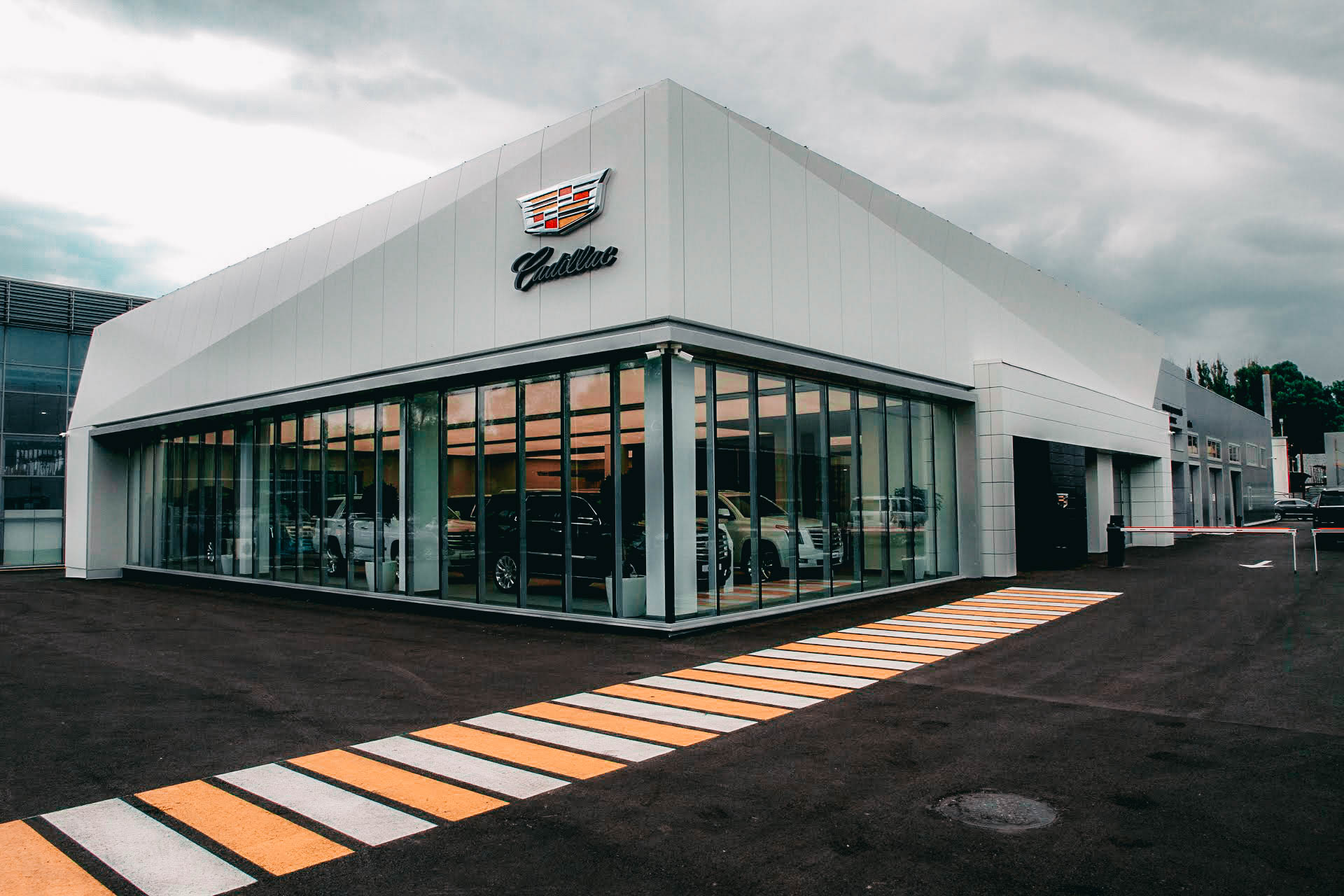
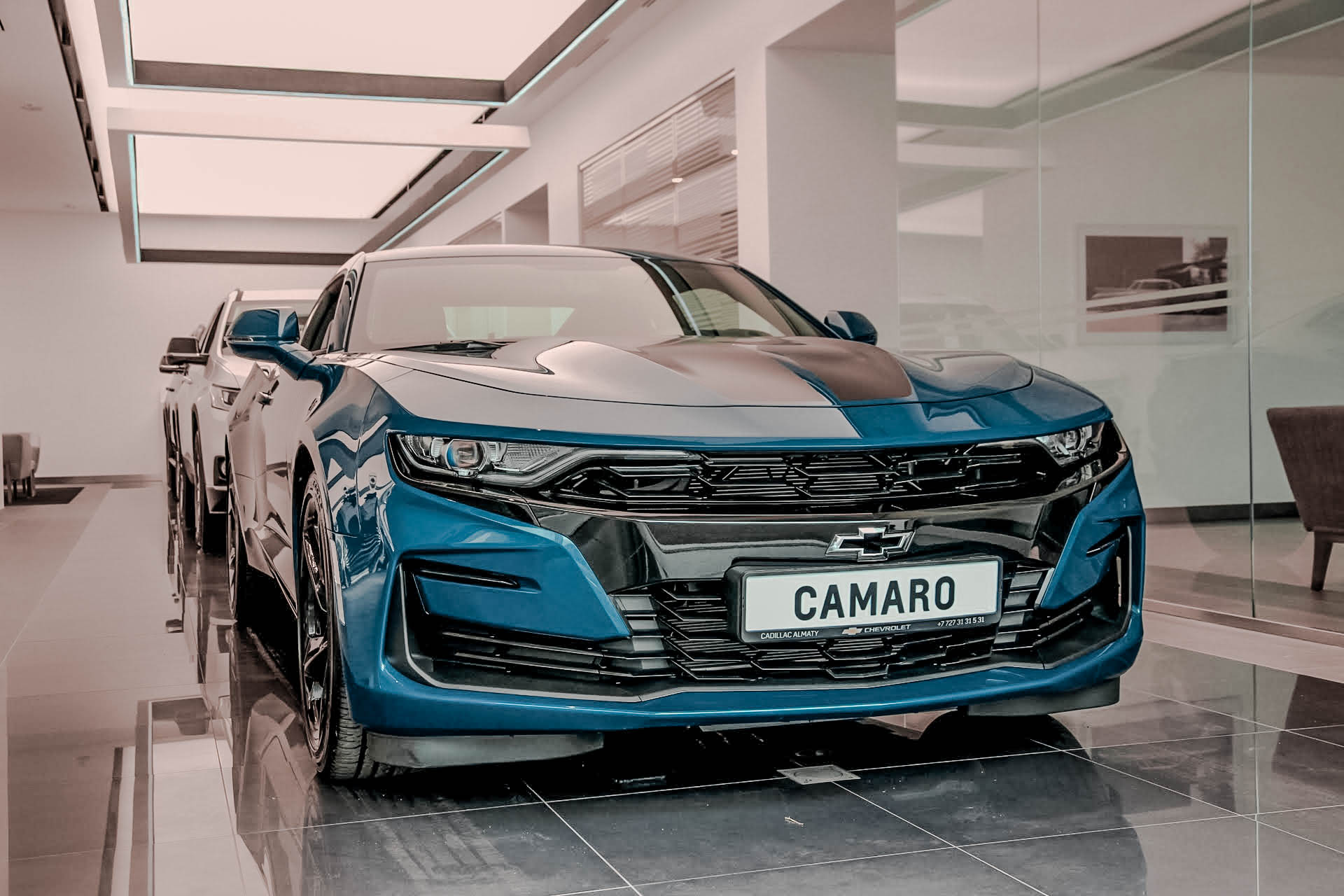
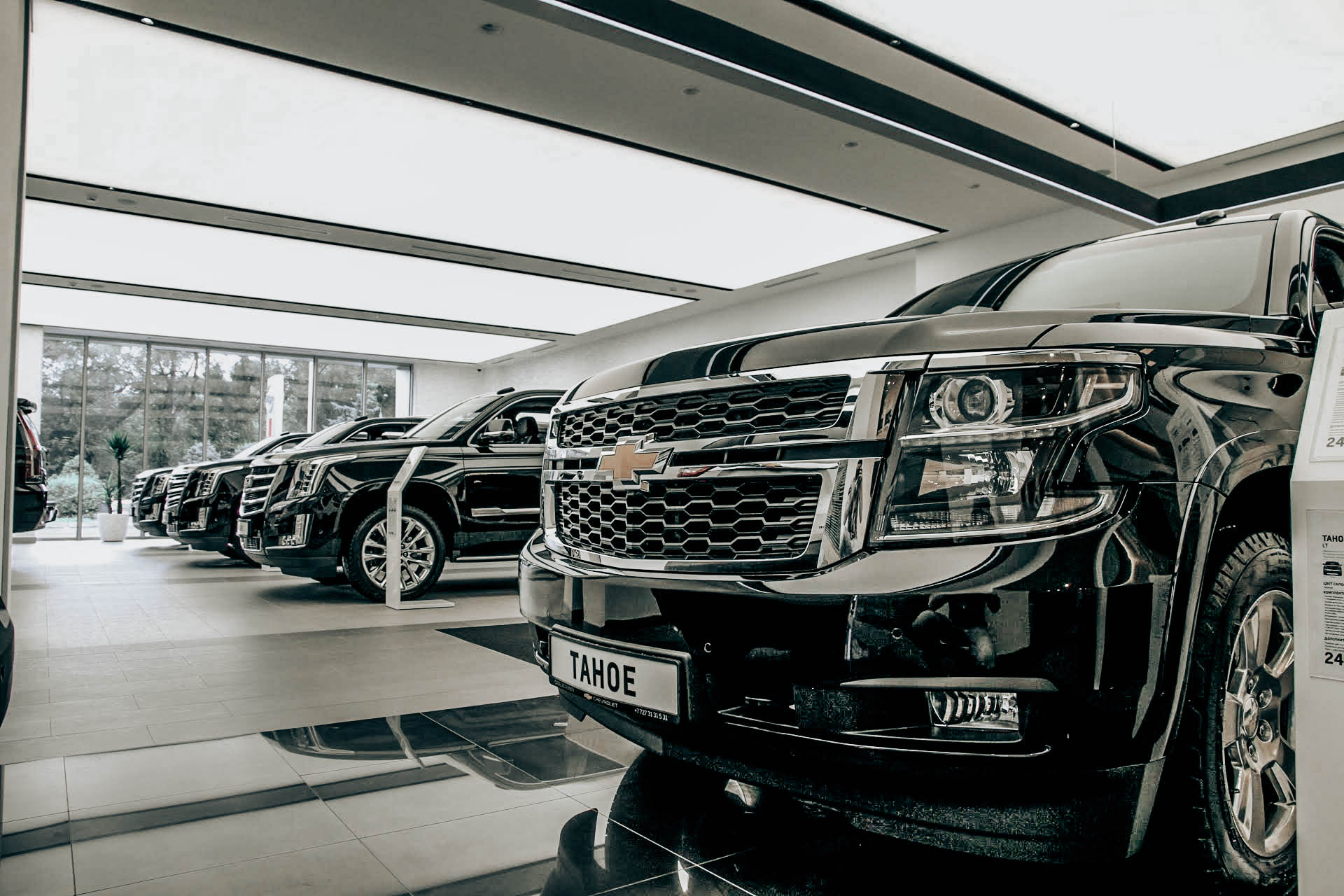
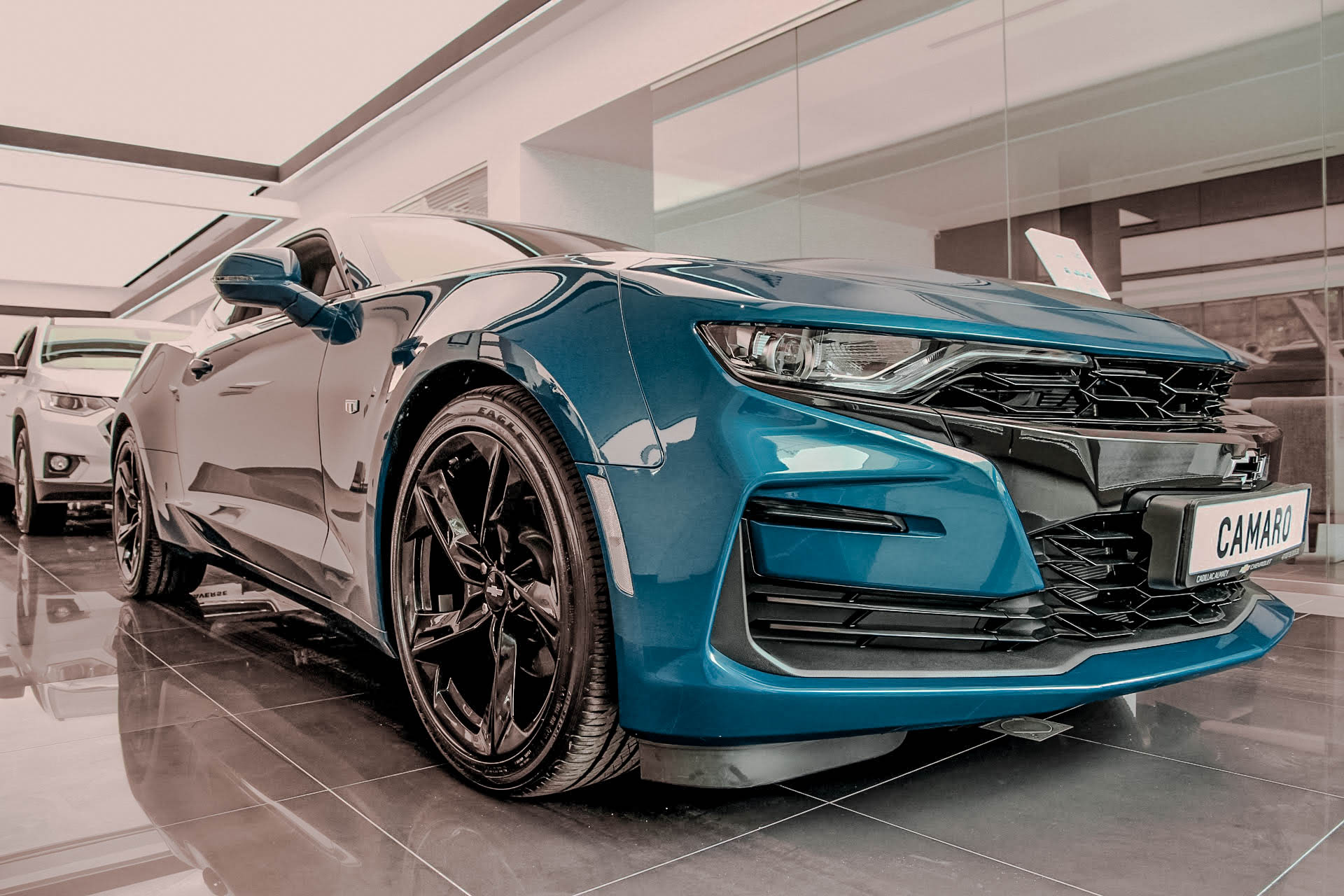
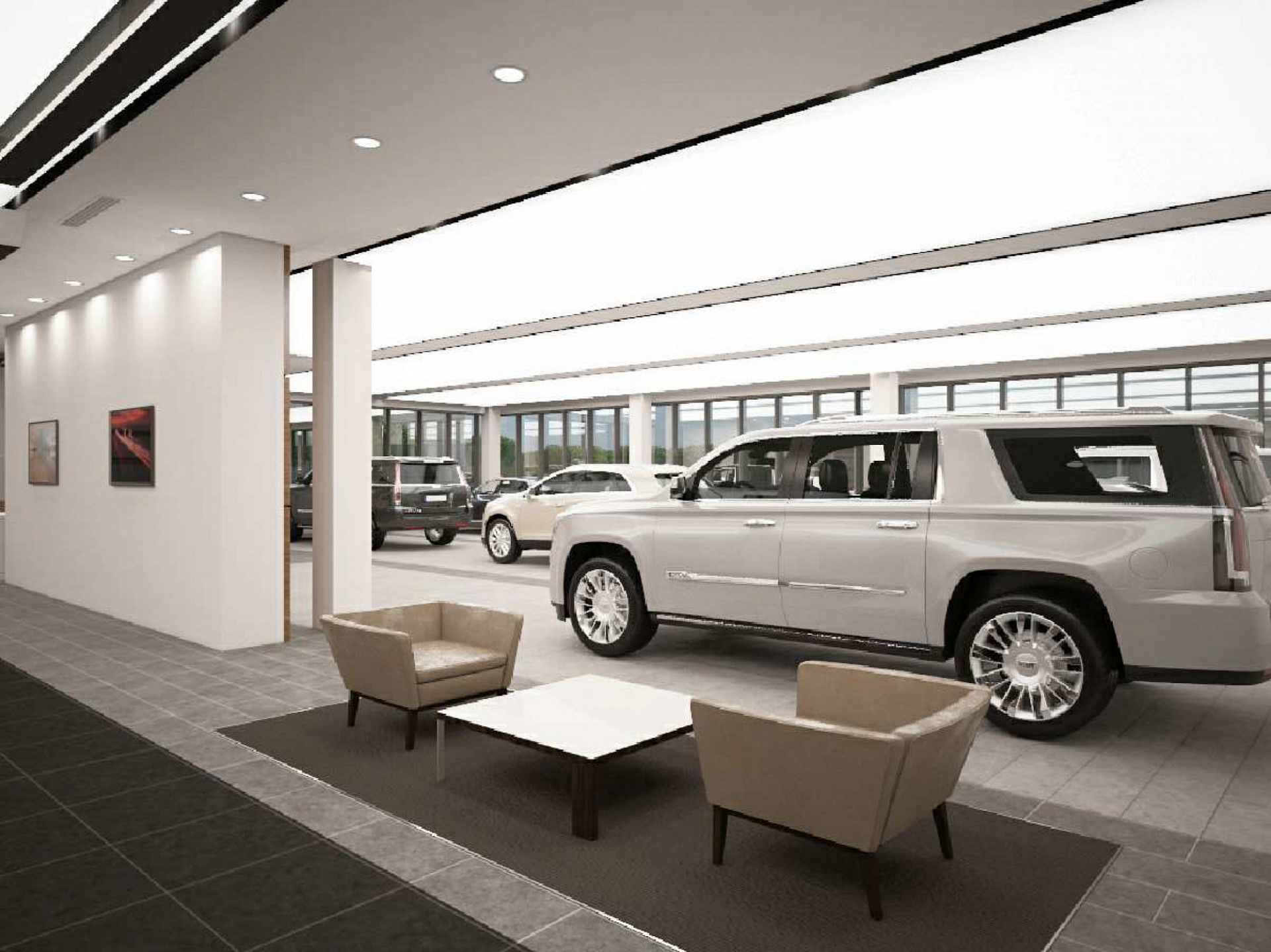
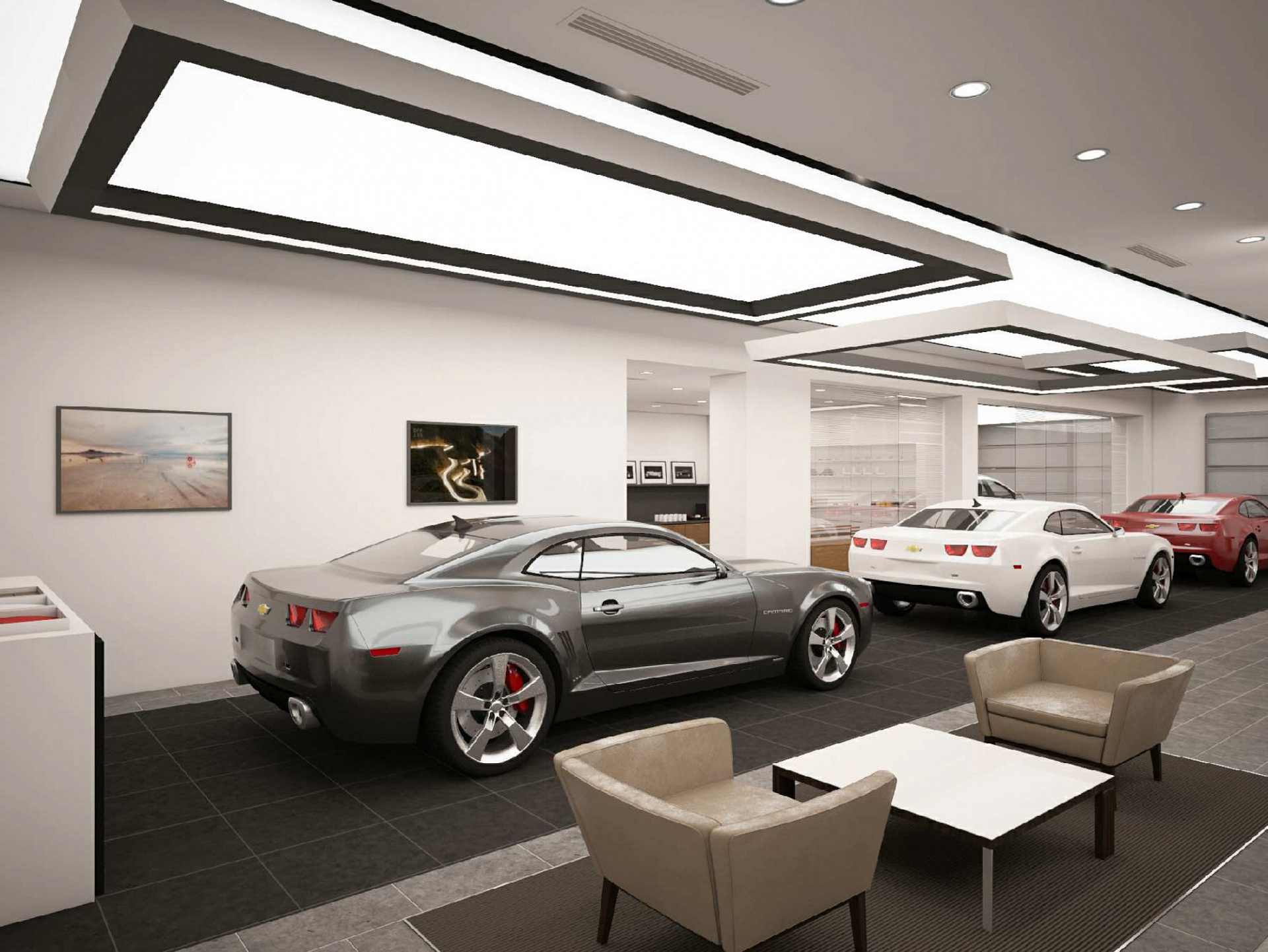
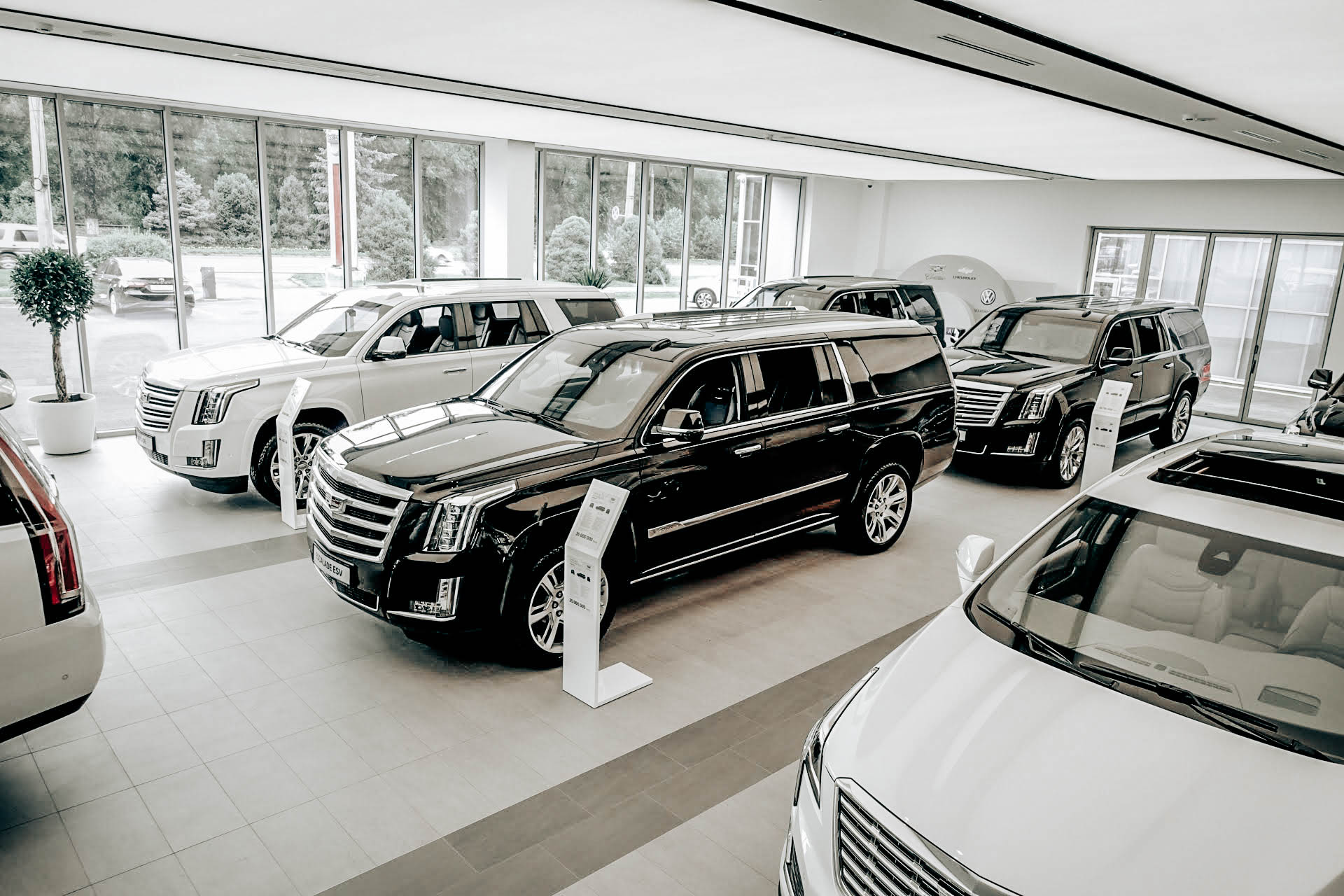
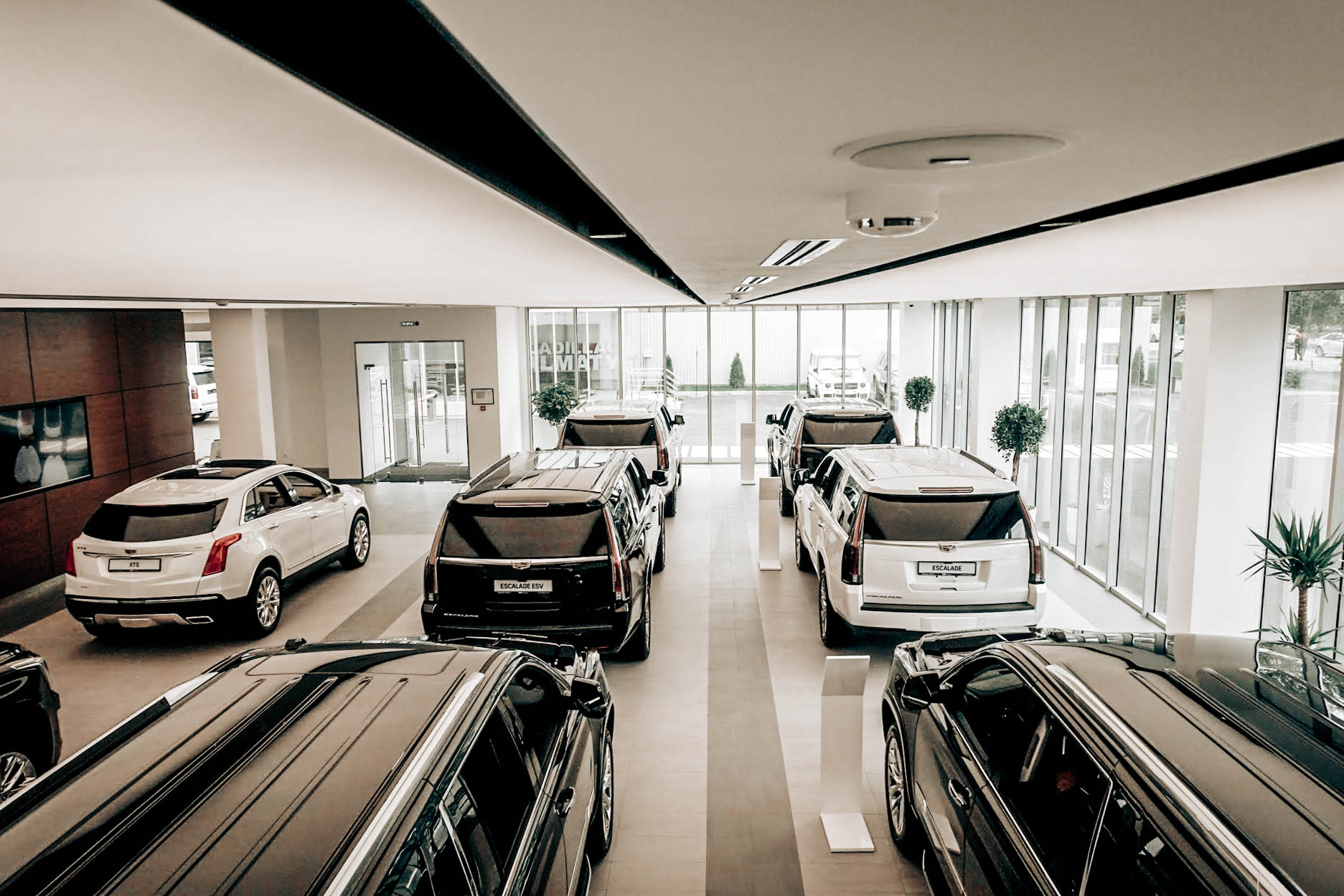
Cadillac Dealership, Chelyabinsk
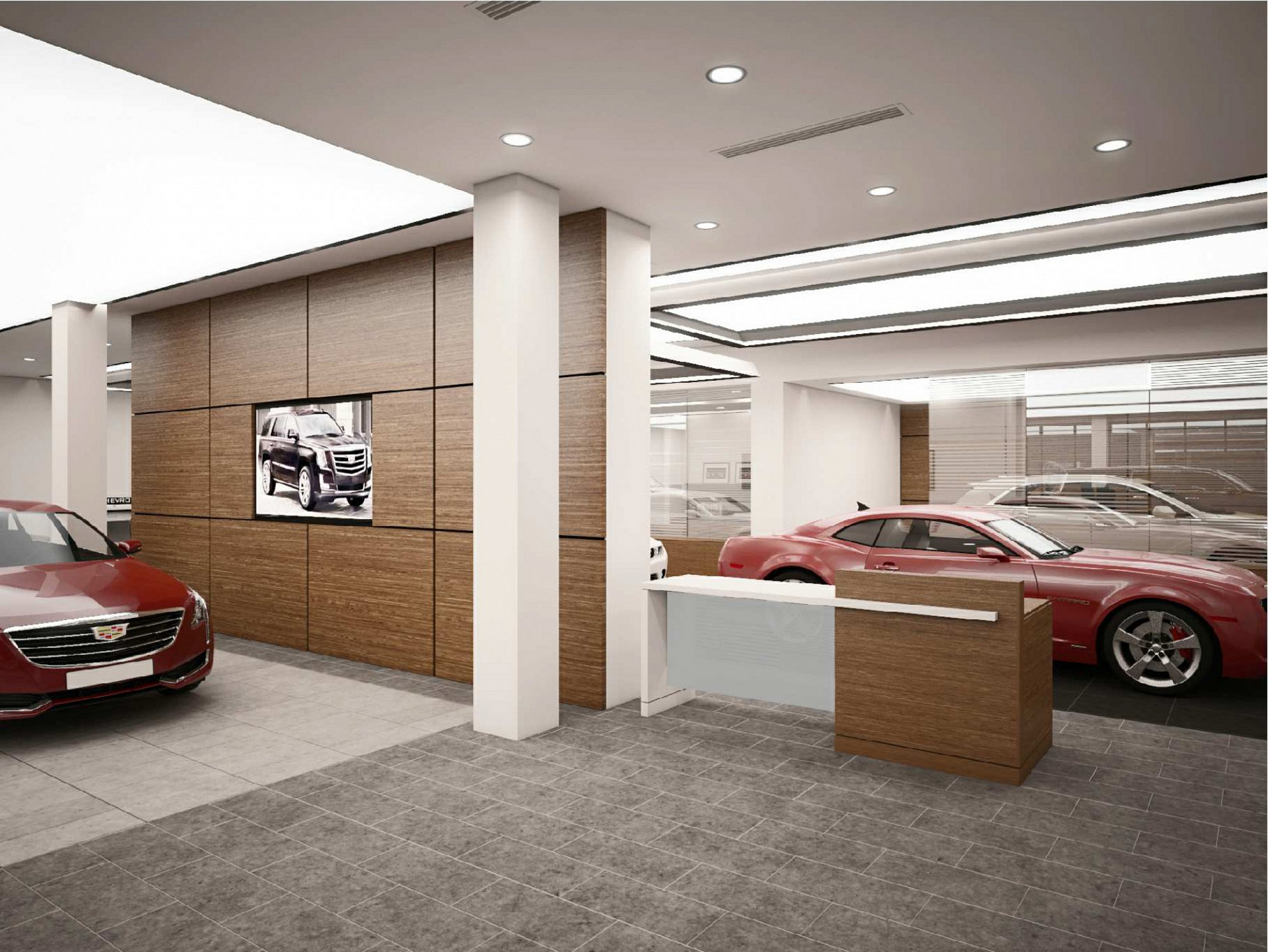
As for the interior solutions, our own production built the veneered wall panels, reception and service desks, advertising and presentation stands, an...
On behalf of General Motors, among other companies, LIGHTTECH took part in developing the lighting and interior solutions according to the new CADILLAC dealership brand book.
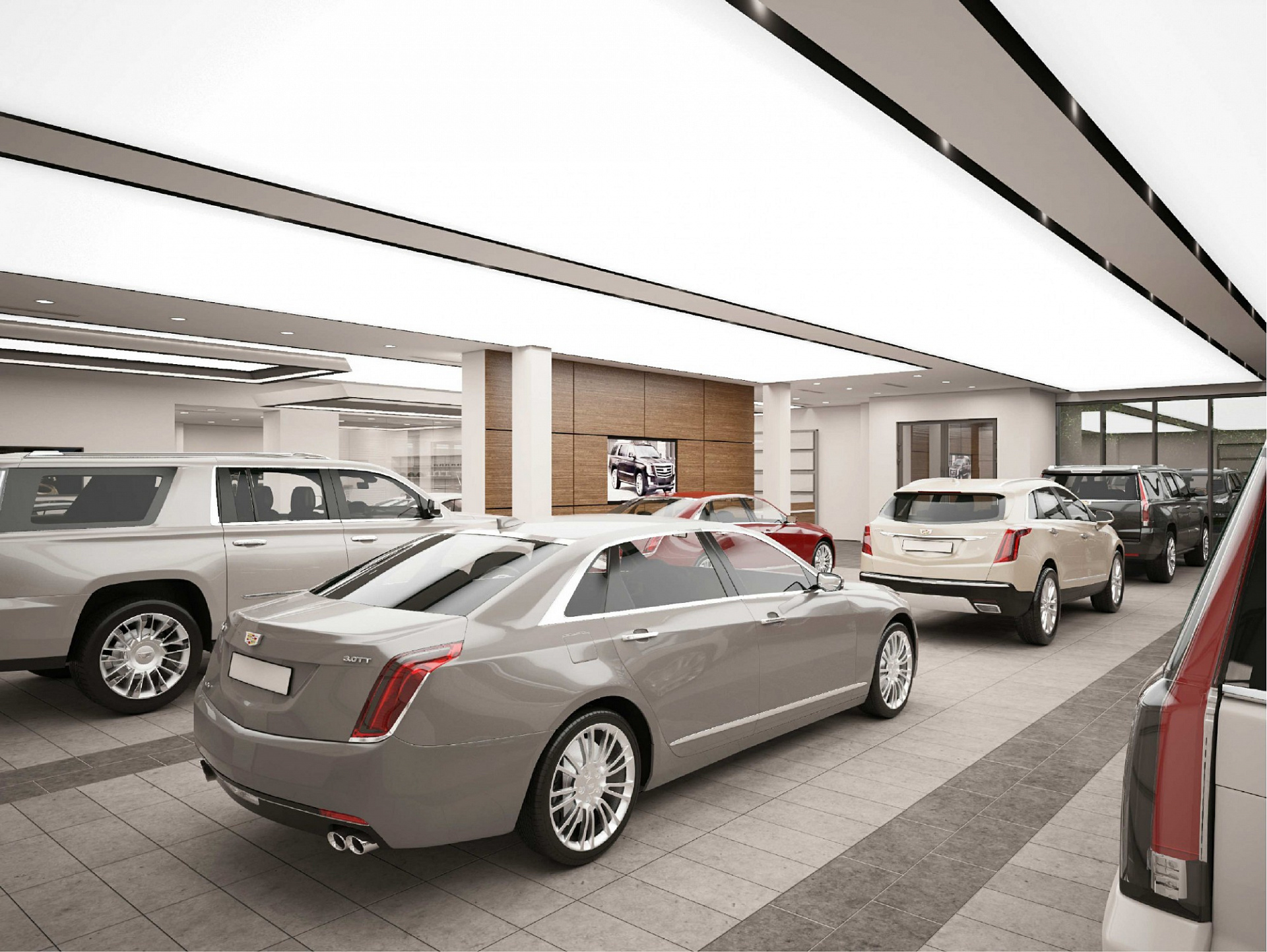
The task was to create seamless light canvases of large dimensions that would form both the look and the necessary quality of light for presenting a premium car brand. We also manufactured furniture, reception desks and presentation stands, built strictly in accordance with the brand's requirements
The solution. With vast experience in creating large light canvases, designing this element was not difficult for us. The challenge was that the 30-metre structure had to be suspended, independent and self-supporting, and there were also a number of restrictions related to the permissible height of the structure. Using their experience and knowledge of lighting technology, the company's engineers coped with all the difficulties. A number of developments in light sources and light-transmitting materials were applied, and special aluminium profiles were created to combine a load-bearing structure with a design element - the black niche along the edges of the construction
Location: Almaty, Kazakhstan
Lighting technology is an applied field of science and engineering dealing with the generation, spatial redistribution, measurement and practical use of optical radiation. For a long time its role was limited to providing visibility at night, but modern lighting technology has grown into a complex interdisciplinary industry at the intersection of optics, materials science, microelectronics, architecture and neurobiology.
The fundamental turning point in the industry was the solid-state revolution — the transition to semiconductor light sources (LED). LEDs displaced traditional incandescent lamps and gas-discharge tubes thanks to phenomenal energy efficiency, miniature size, longevity (tens of thousands of operating hours) and high resistance to mechanical damage. This made it possible to abandon bulky luminaires in favour of integrated architectural solutions, concealed lighting and ultra-thin optical systems based on secondary optics (lenses, collimators and microprismatic diffusers).
The approach to light quality has changed in parallel. Where luminous efficacy (lumens per watt) used to be the main criterion, the focus has now shifted to colour rendering (CRI and TM-30 indices) and visual comfort. The suppression of parasitic flicker and control of the discomfort glare index (UGR) have become key parameters.
The key trend in modern lighting technology is the Human Centric Lighting (HCL) concept. The discovery of photosensitive retinal ganglion cells proved that the spectral composition and intensity of light directly govern our circadian rhythms. By changing the colour temperature (from a warm, relaxing 2700 K spectrum to a cold, invigorating 6500 K) during the day, modern dynamic lighting systems synchronise the production of melatonin and cortisol, improving concentration during the day and promoting deep sleep at night.
The integration of lighting technology with digital protocols (DALI-2, Zigbee, Bluetooth Mesh) and presence and daylight sensors has turned luminaires into key nodes of smart buildings and cities, where light switches on exactly where and when it is needed.