


 info@lighttech.pro
Sea Sight Private Mediterranean Residence
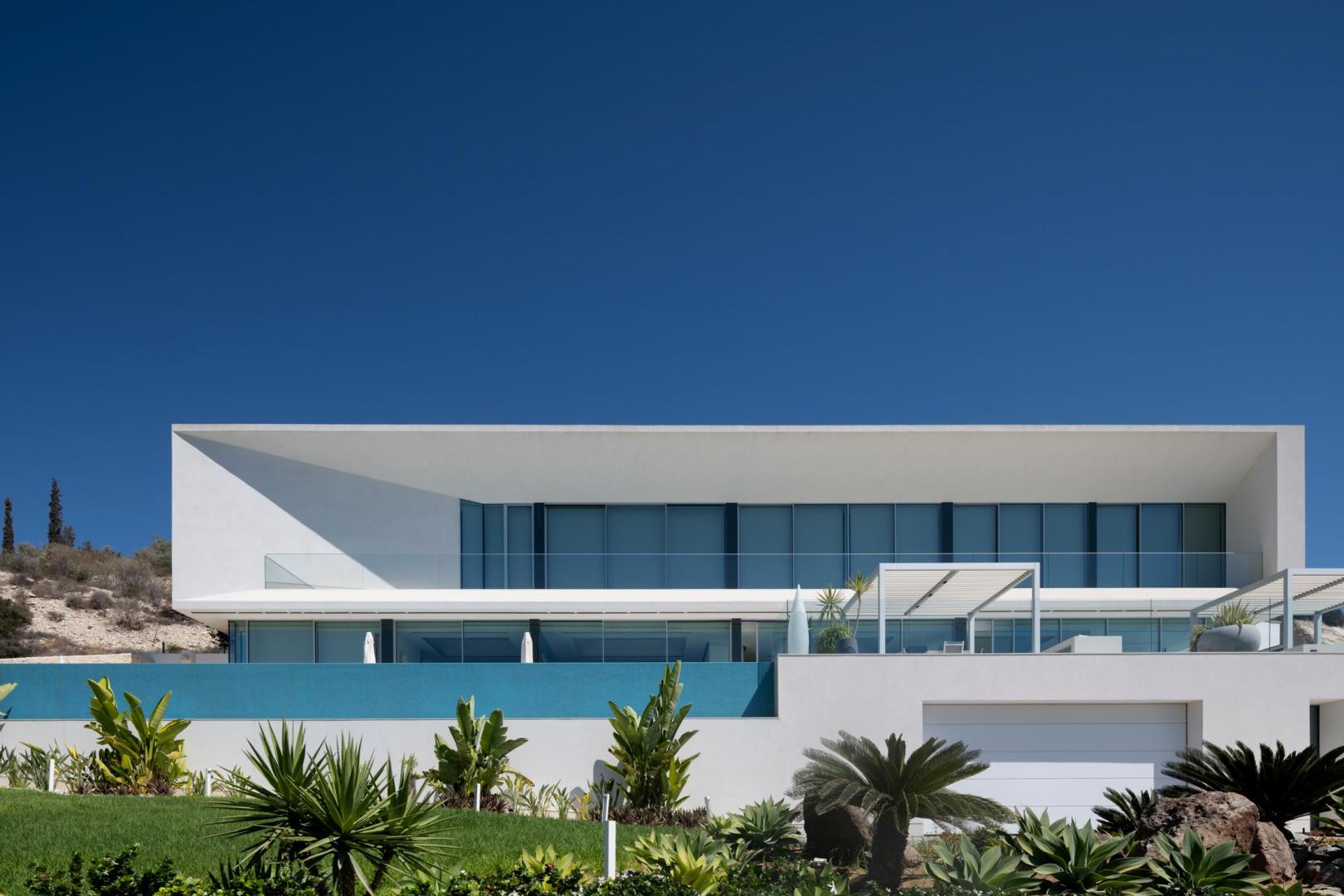
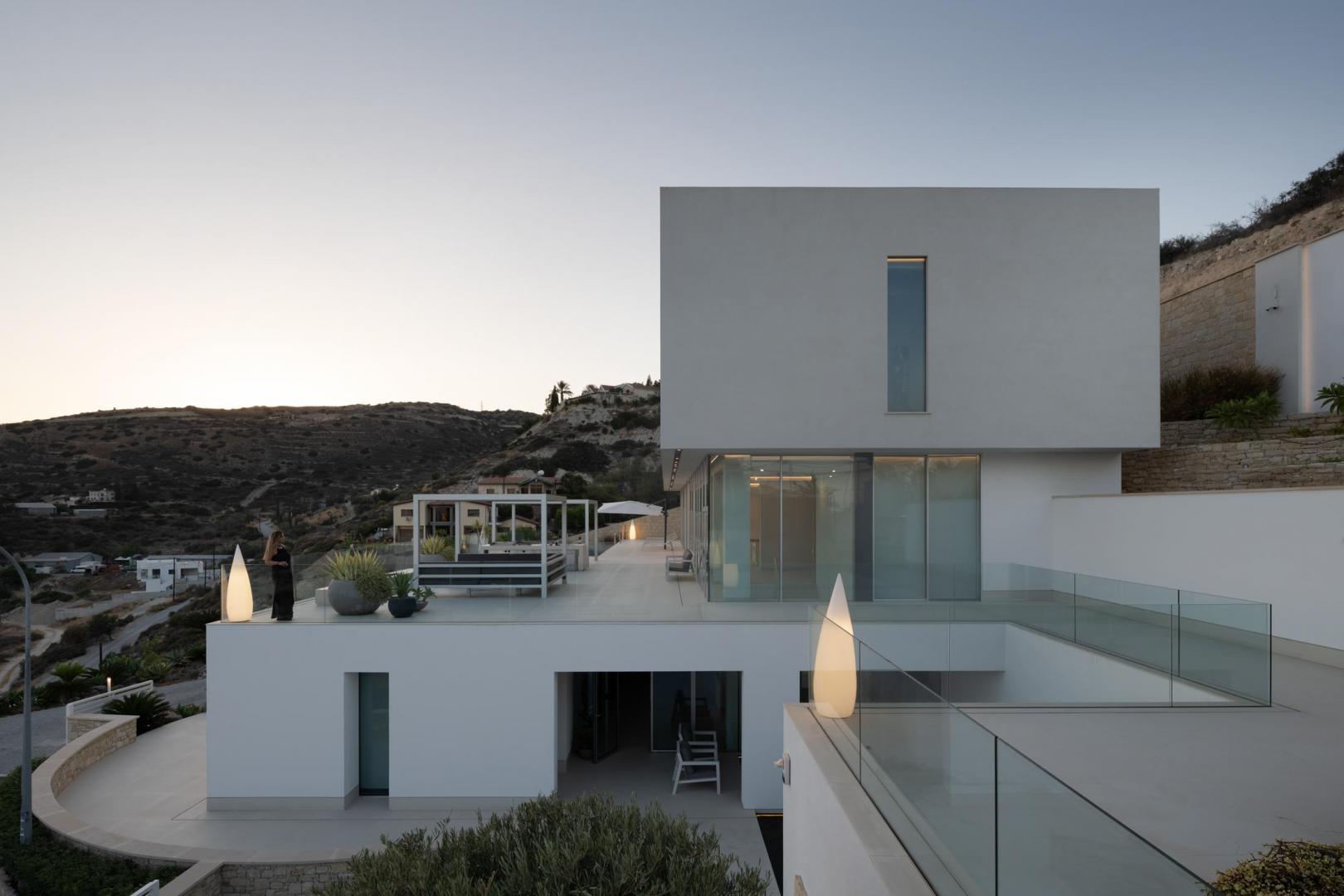
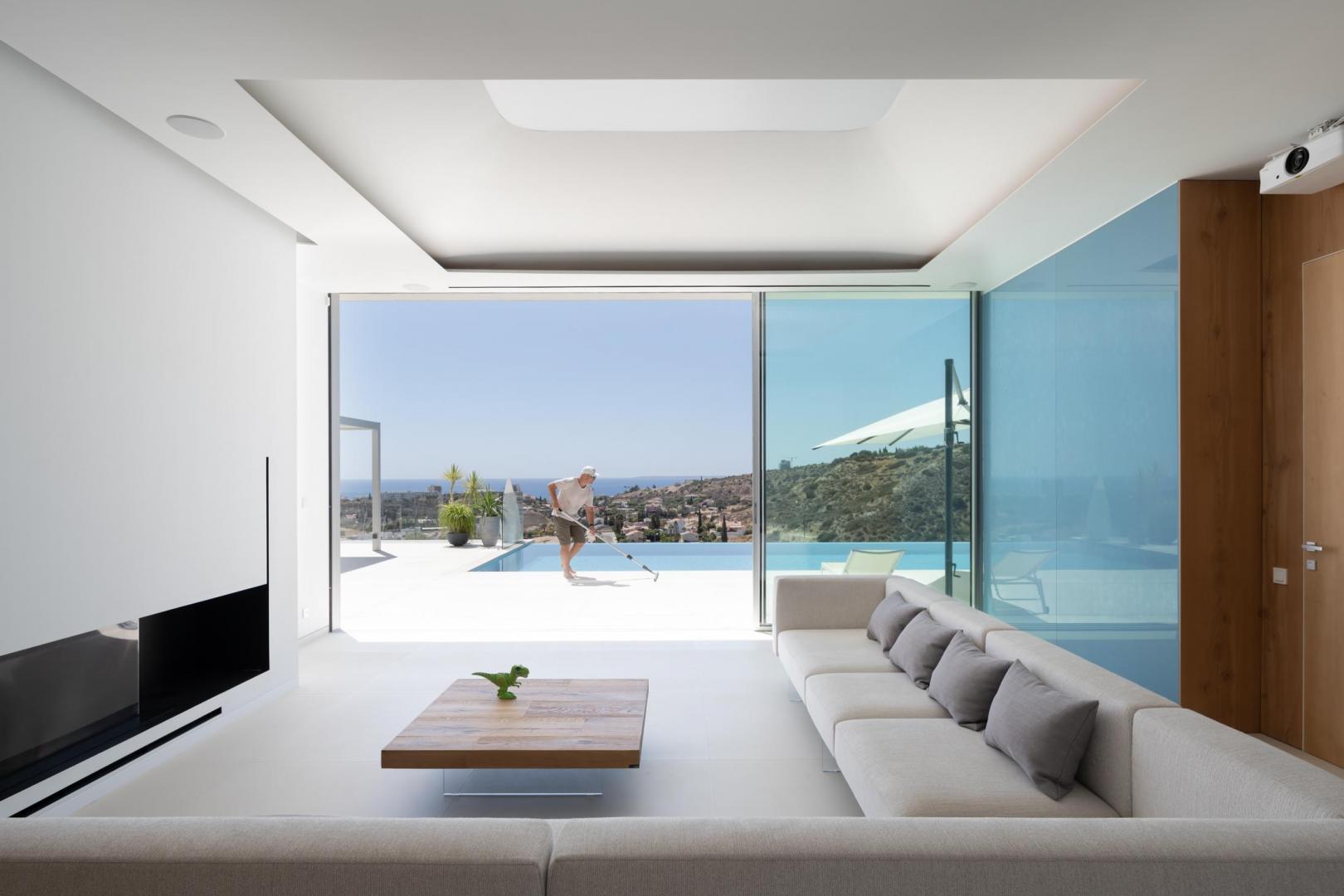
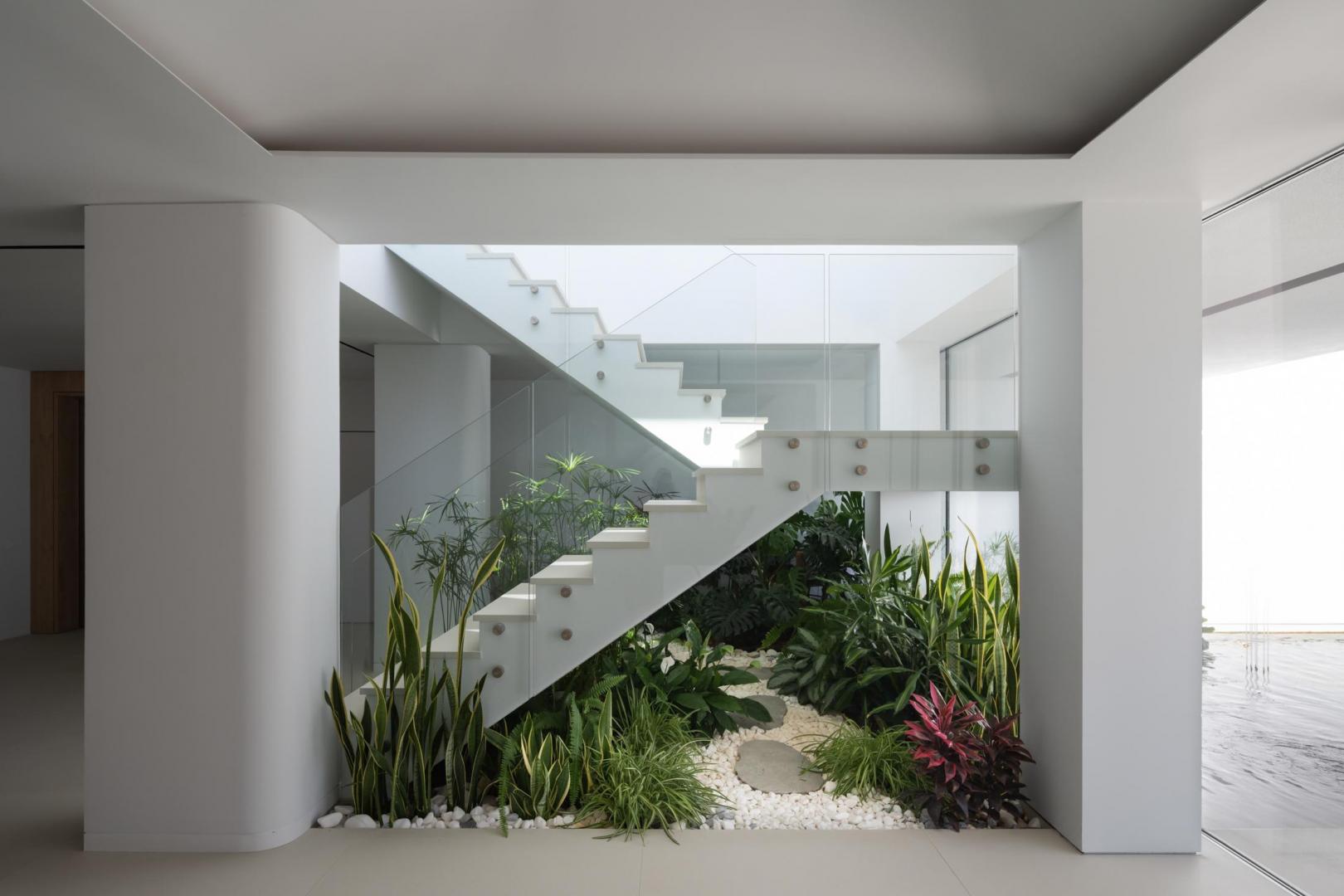
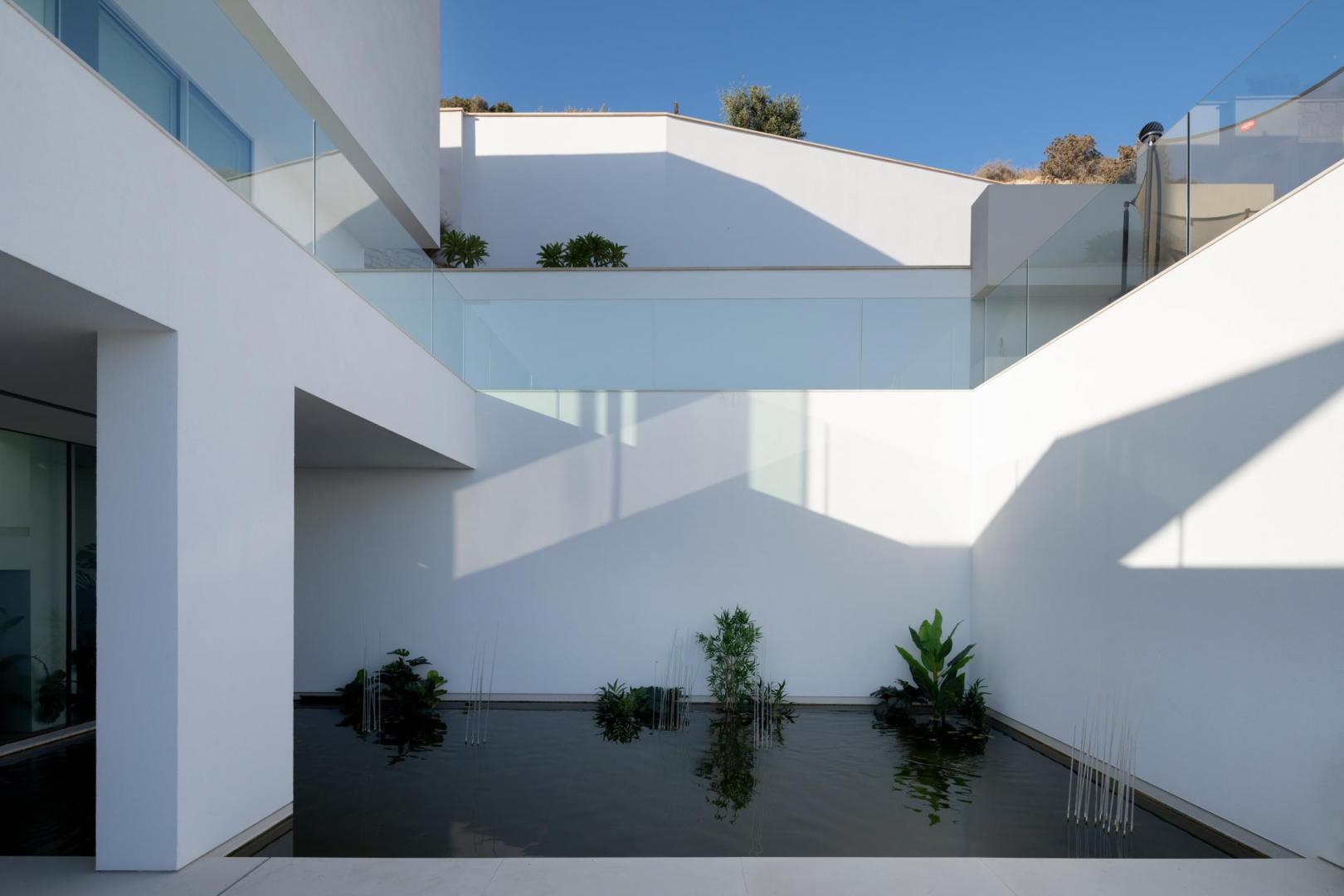
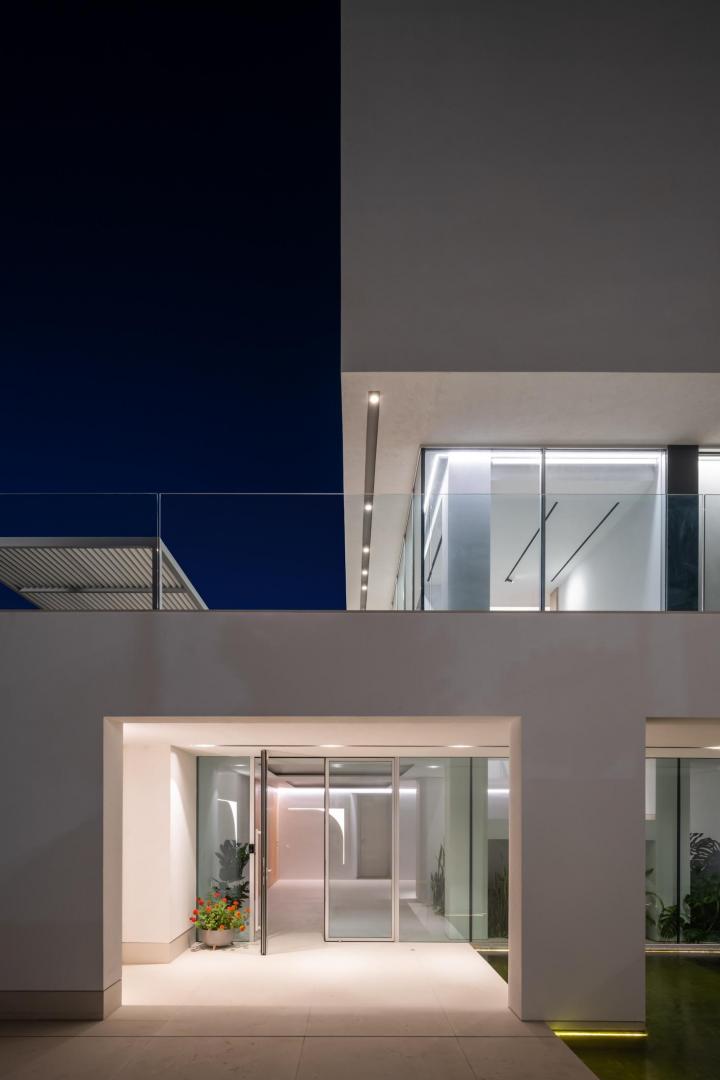
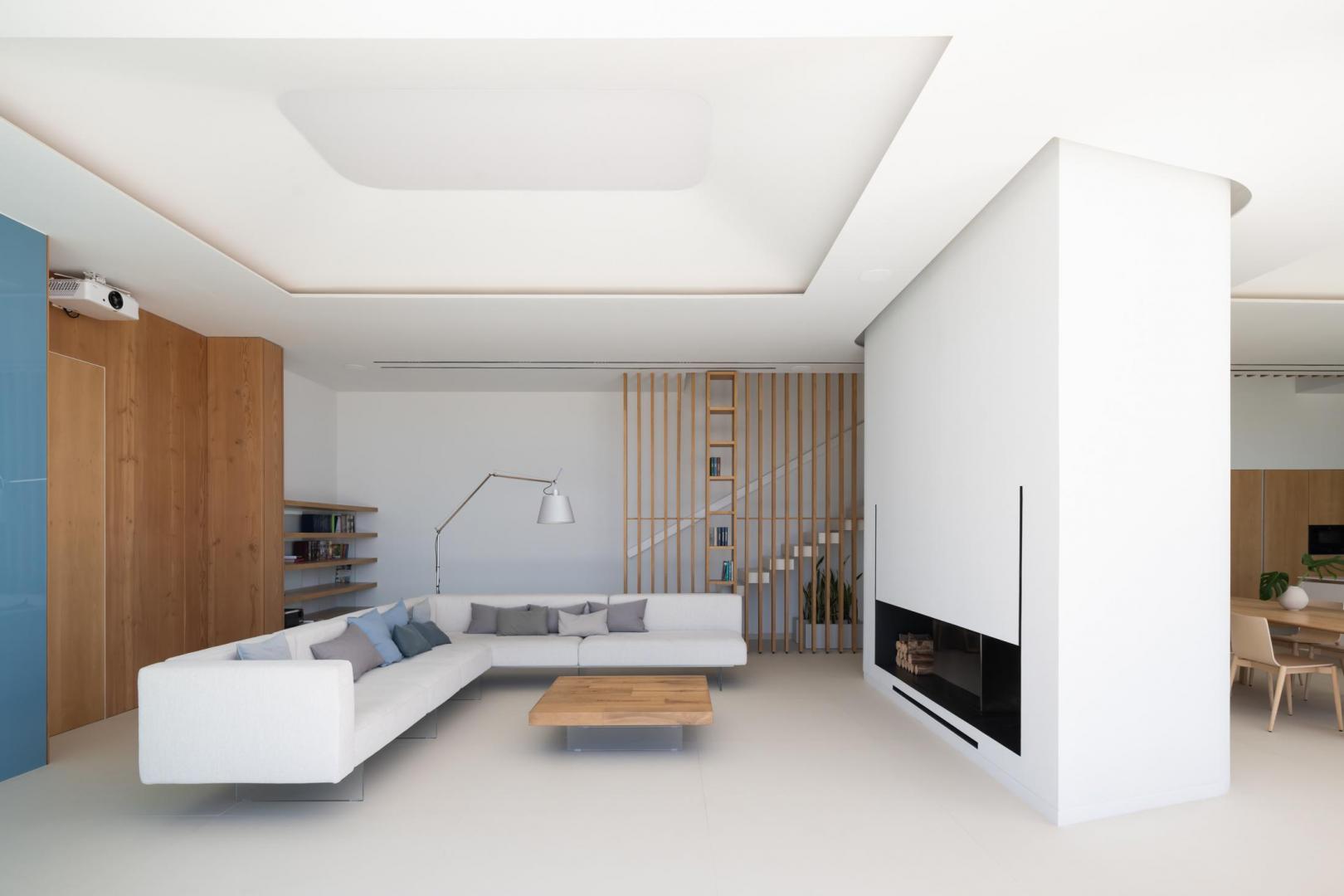
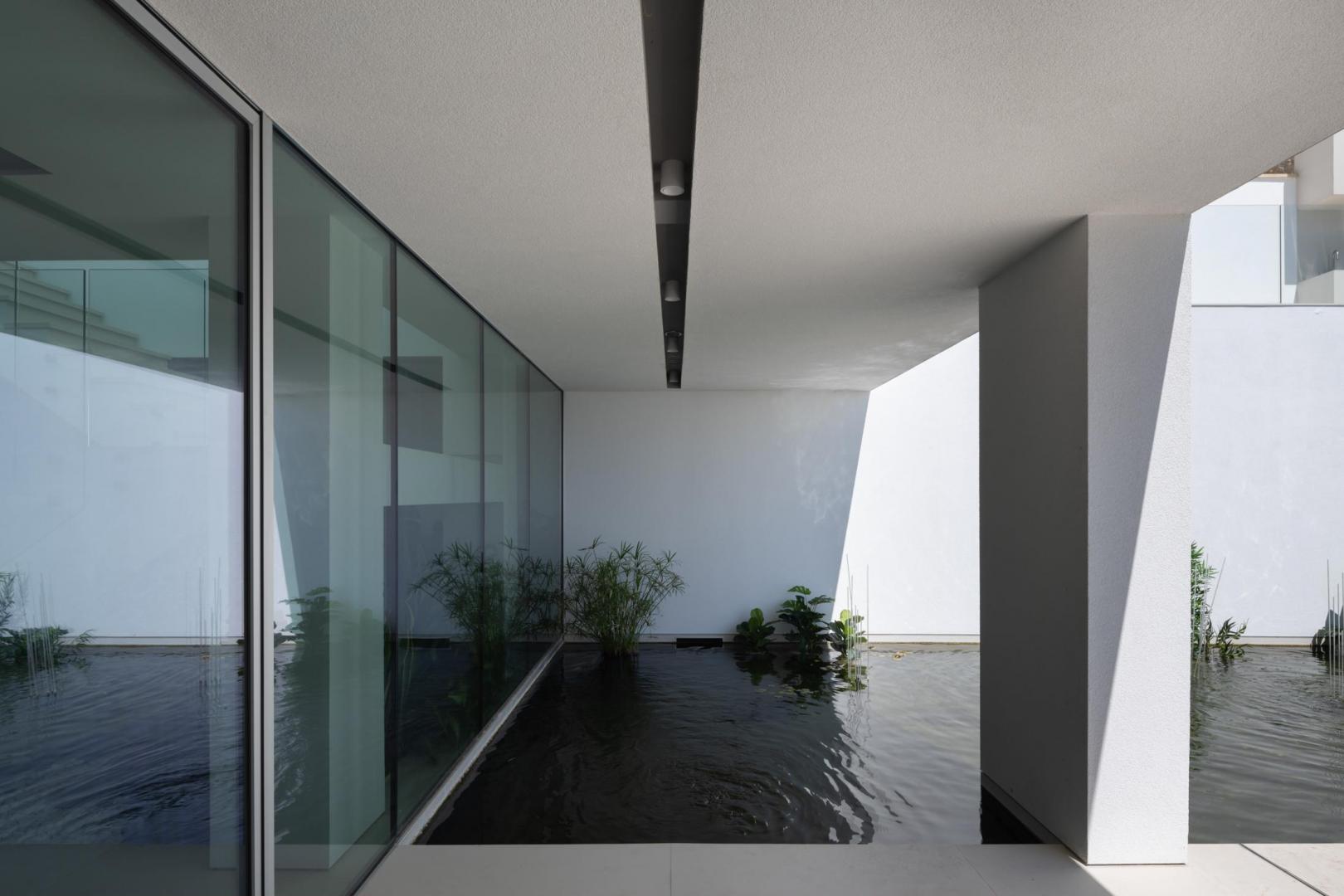
We present to you a private house project in a contemporary style. Projects in a contemporary style are always the most difficult, because they require absolute purity of space, a minimum of details and shapes, and a maximum of volume and simplicity. Under such conditions, it is sometimes hard to achieve the illuminance required for spaces of this size, to integrate all the lighting fixtures into the structure of the building, to calculate the illuminance and to choose the right fixtures for each space.
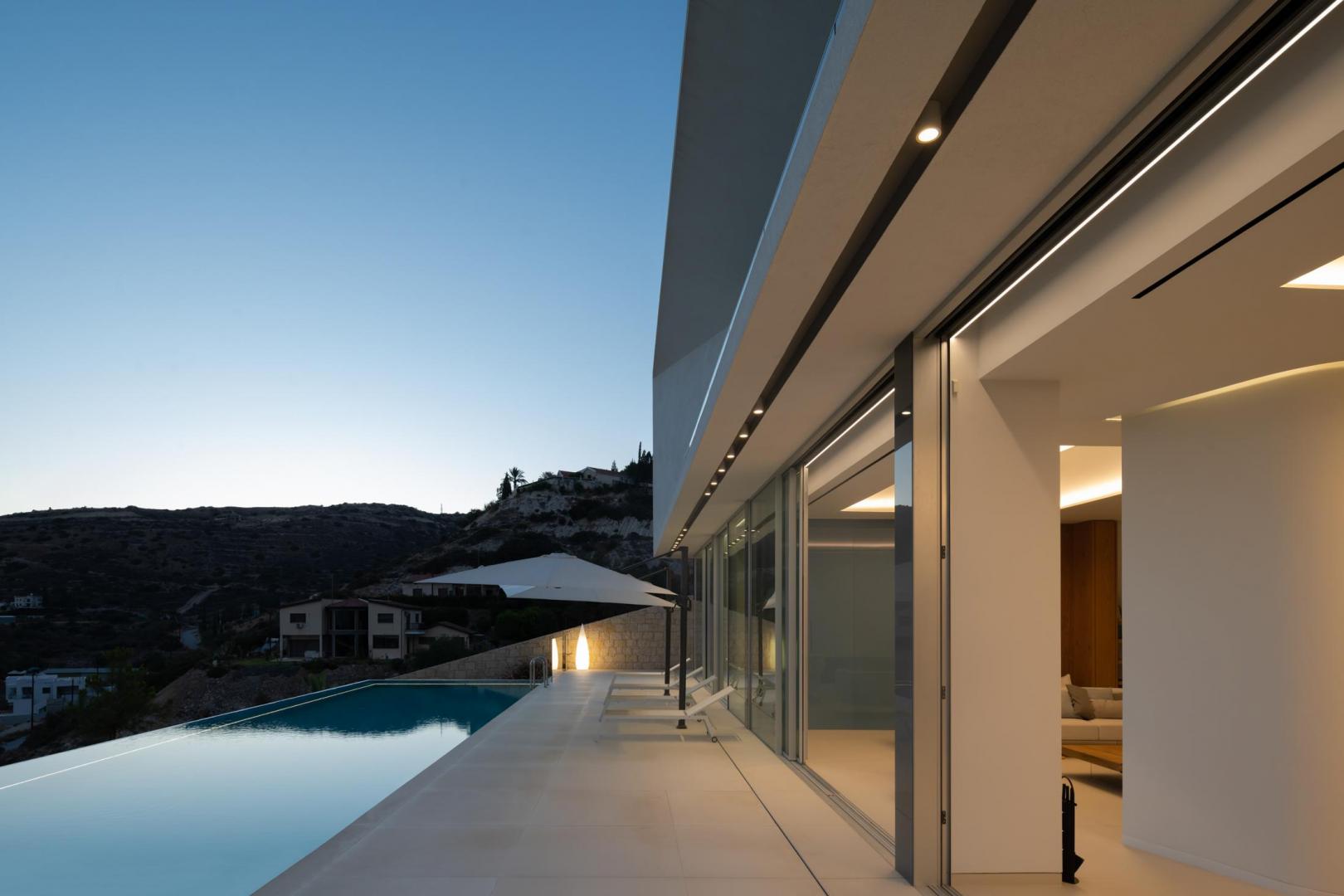
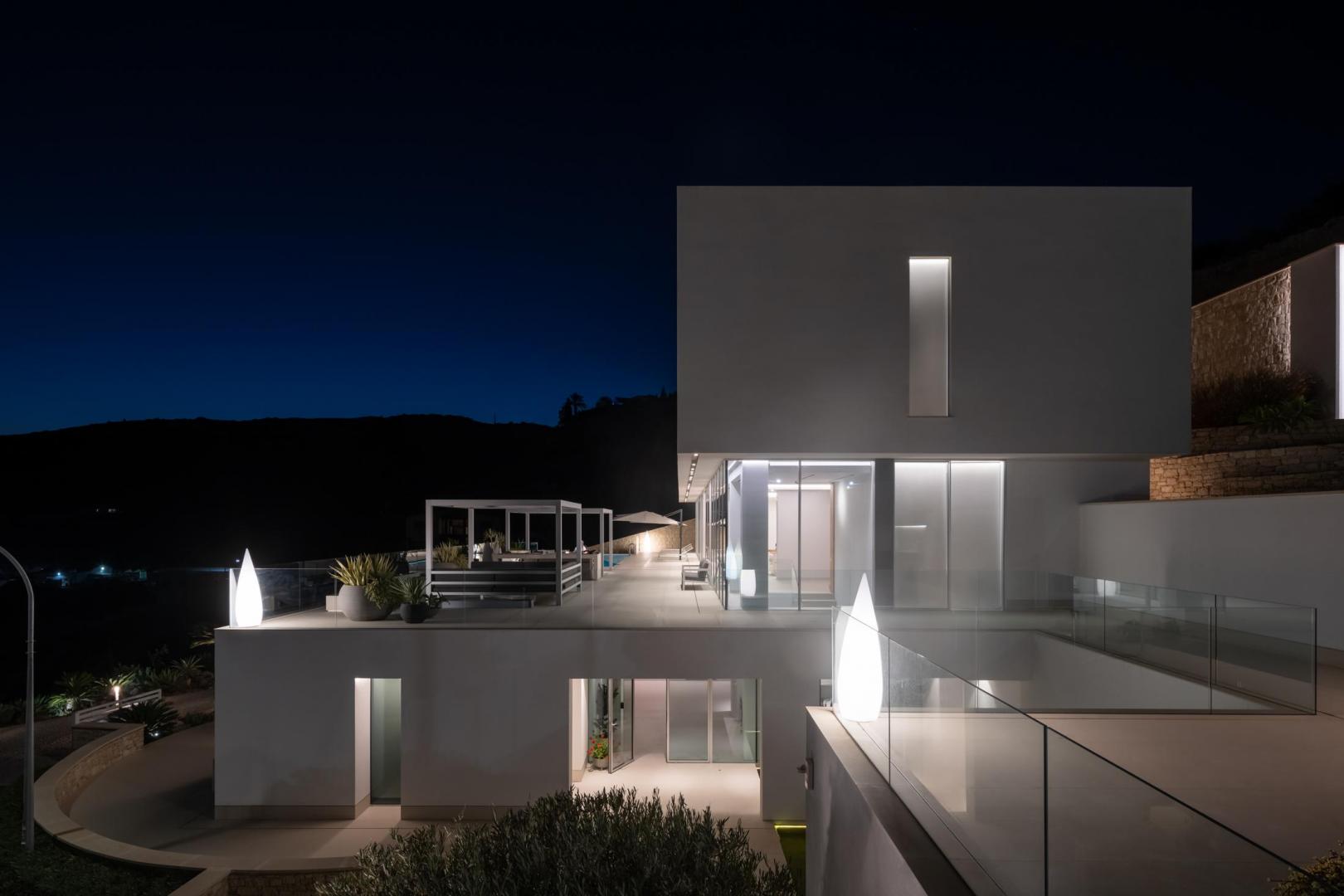
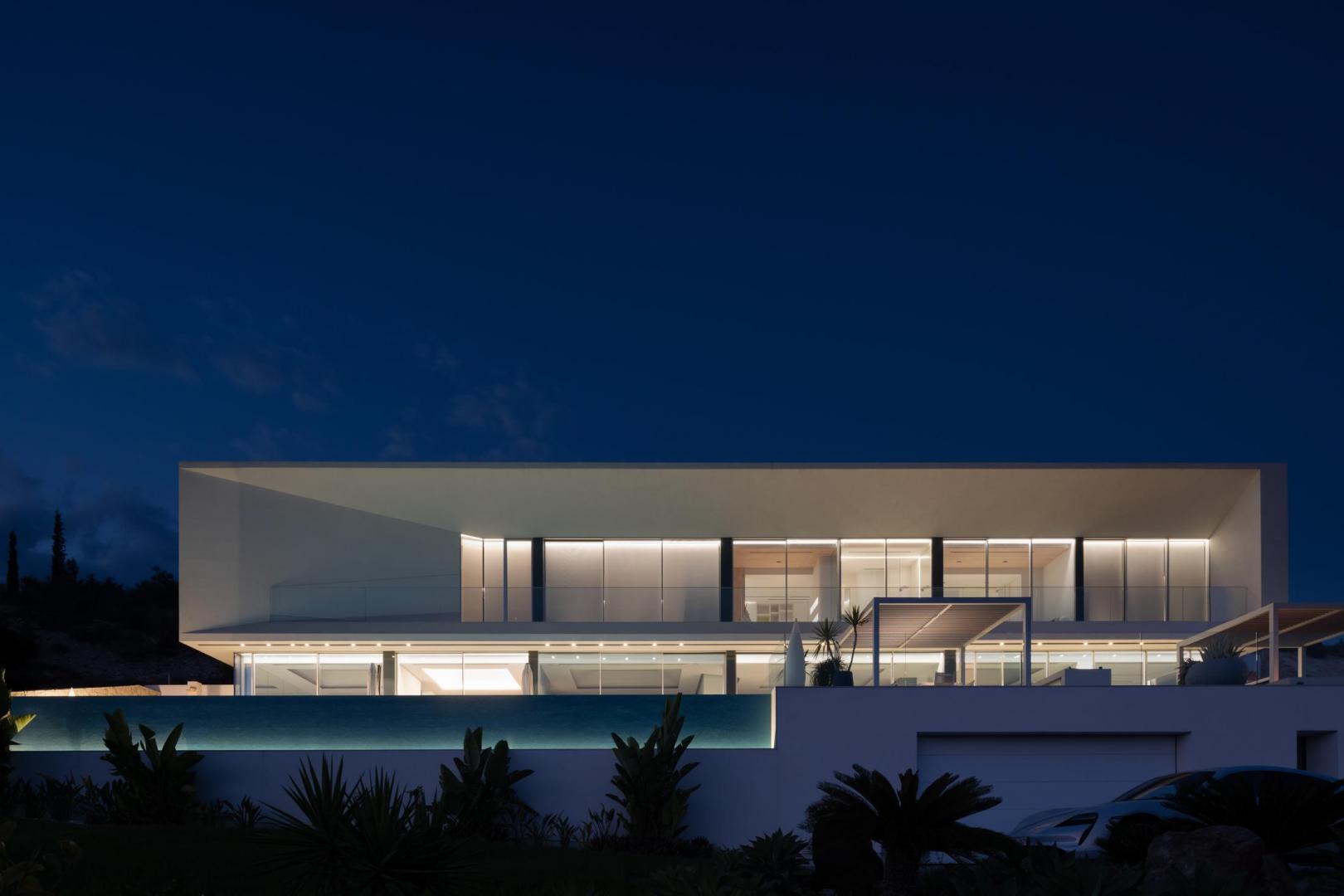
Especially when the building is painted in an absolutely white colour with few possibilities for recessed, let alone surface-mounted, luminaires. We believe this project is quite worthy of the title of an architectural masterpiece, not least because, from the lighting point of view, everything possible was done here to achieve the motto: 'Shine, but do not be seen.' The authors of the project are VOX Architects (https://www.vox-architects.com/projects/public-space/cyberdom).
Among other things, please note that the interior lighting also serves as the architectural and artistic illumination of the house. The fixtures were chosen so as to light locally, yet together they create a harmonious light environment that emphasises the beautiful architecture of the house. The authors of the project make good use of the double-height spaces and different levels to make the most of natural light.
Lighting technology
Lighting technology is an applied field of science and engineering dealing with the generation, spatial redistribution, measurement and practical use of optical radiation. For a long time its role was limited to providing visibility at night, but modern lighting technology has grown into a complex interdisciplinary industry at the intersection of optics, materials science, microelectronics, architecture and neurobiology.
The fundamental turning point in the industry was the solid-state revolution — the transition to semiconductor light sources (LED). LEDs displaced traditional incandescent lamps and gas-discharge tubes thanks to phenomenal energy efficiency, miniature size, longevity (tens of thousands of operating hours) and high resistance to mechanical damage. This made it possible to abandon bulky luminaires in favour of integrated architectural solutions, concealed lighting and ultra-thin optical systems based on secondary optics (lenses, collimators and microprismatic diffusers).
The approach to light quality has changed in parallel. Where luminous efficacy (lumens per watt) used to be the main criterion, the focus has now shifted to colour rendering (CRI and TM-30 indices) and visual comfort. The suppression of parasitic flicker and control of the discomfort glare index (UGR) have become key parameters.
The key trend in modern lighting technology is the Human Centric Lighting (HCL) concept. The discovery of photosensitive retinal ganglion cells proved that the spectral composition and intensity of light directly govern our circadian rhythms. By changing the colour temperature (from a warm, relaxing 2700 K spectrum to a cold, invigorating 6500 K) during the day, modern dynamic lighting systems synchronise the production of melatonin and cortisol, improving concentration during the day and promoting deep sleep at night.
The integration of lighting technology with digital protocols (DALI-2, Zigbee, Bluetooth Mesh) and presence and daylight sensors has turned luminaires into key nodes of smart buildings and cities, where light switches on exactly where and when it is needed.