


 info@lighttech.pro
Arhitektor
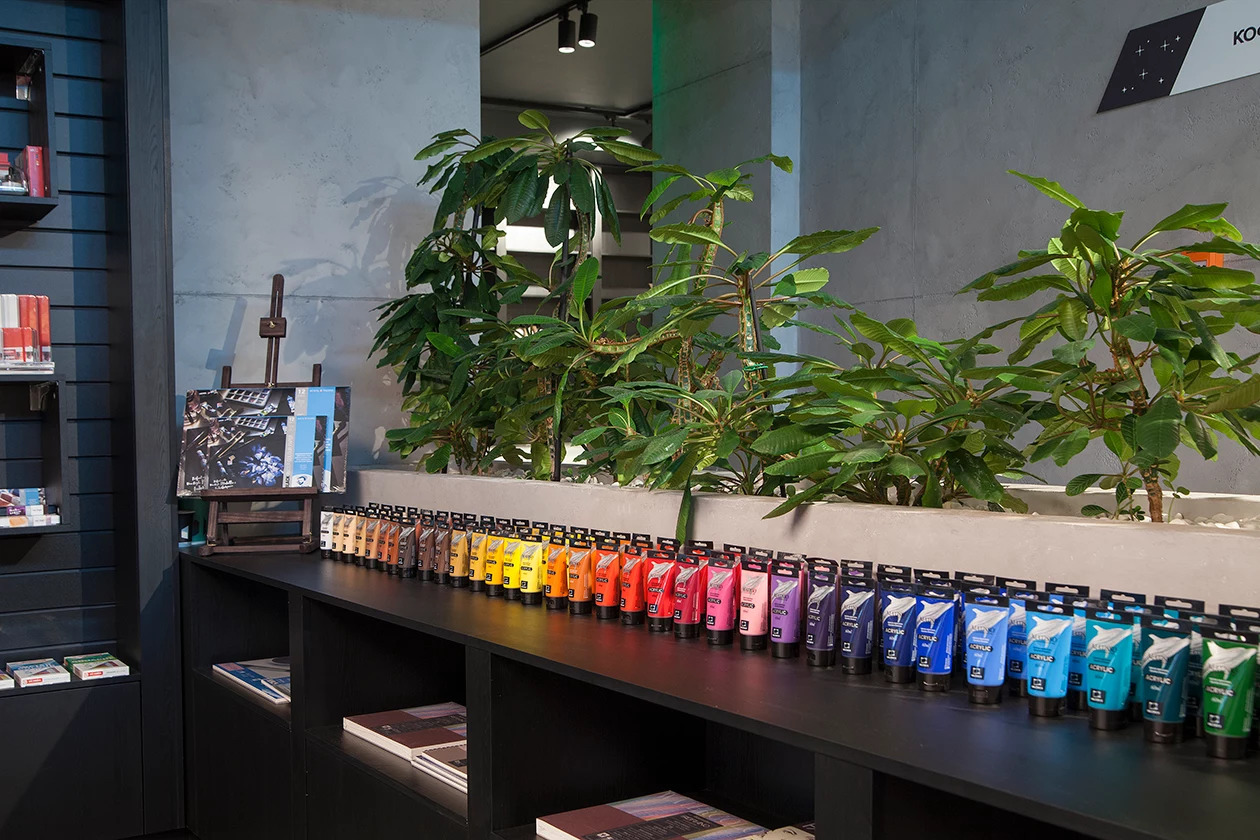
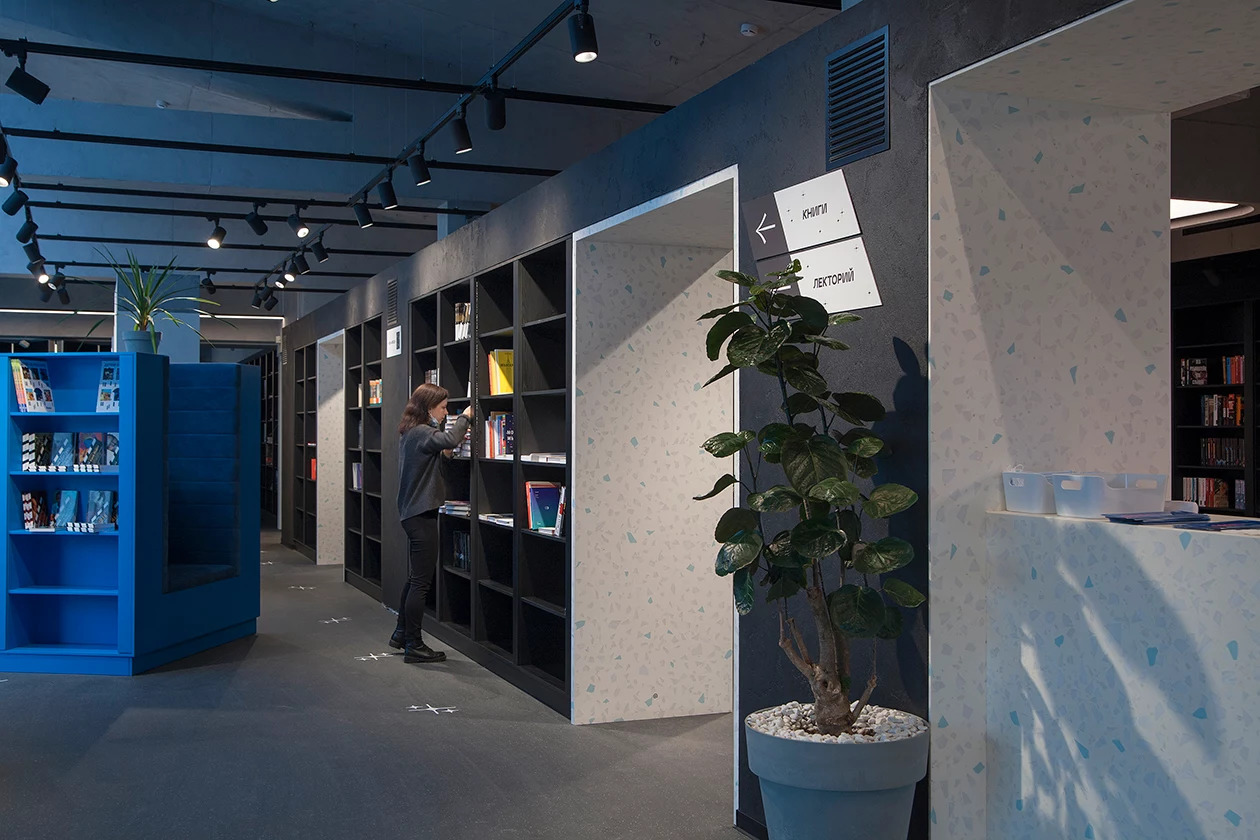
Arhitektor Interior Centre: light for a showroom where light itself is the product.
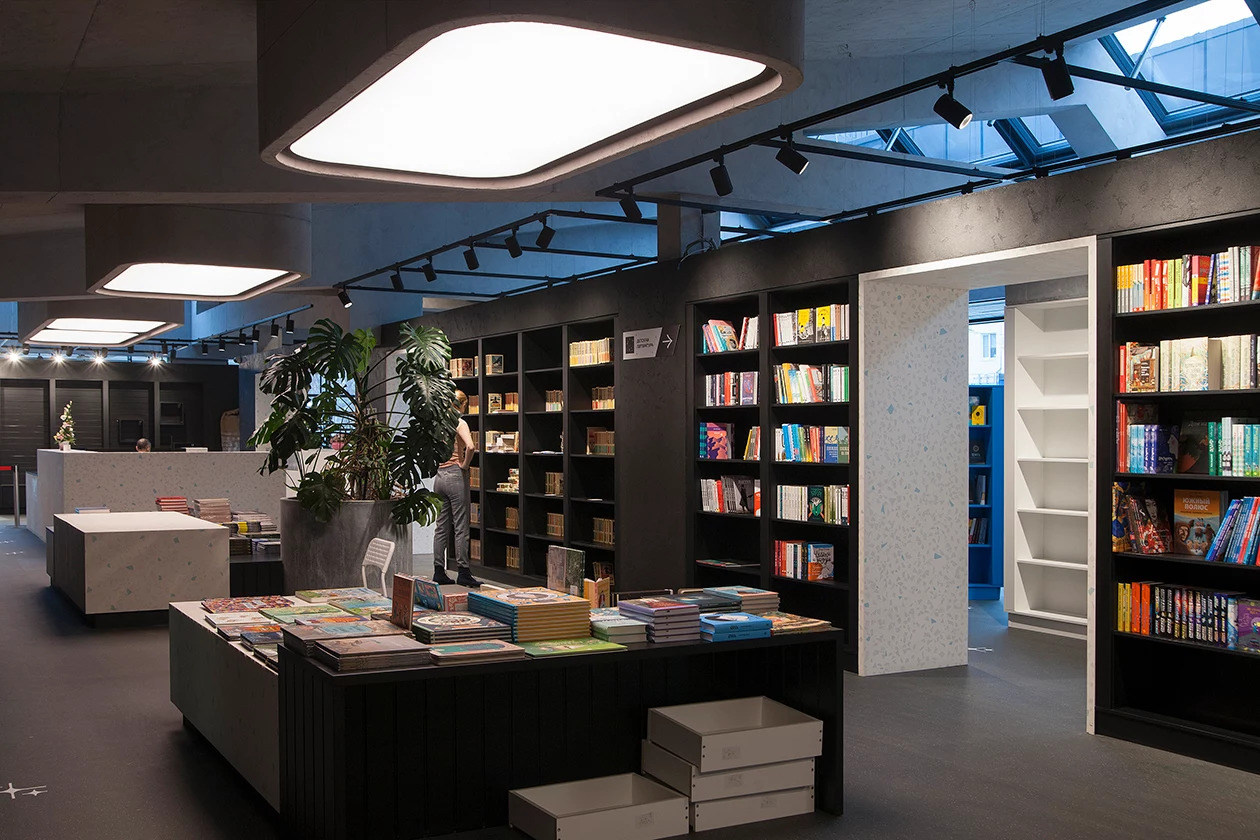
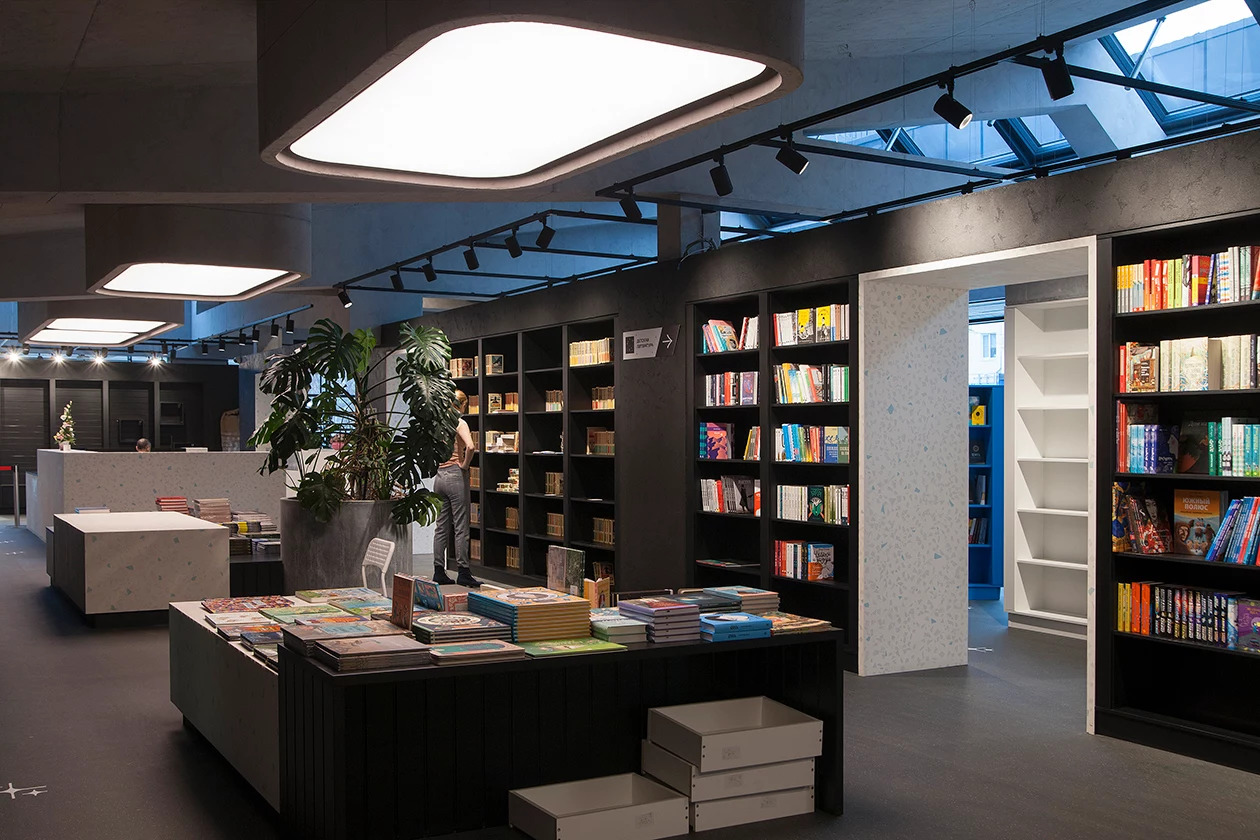
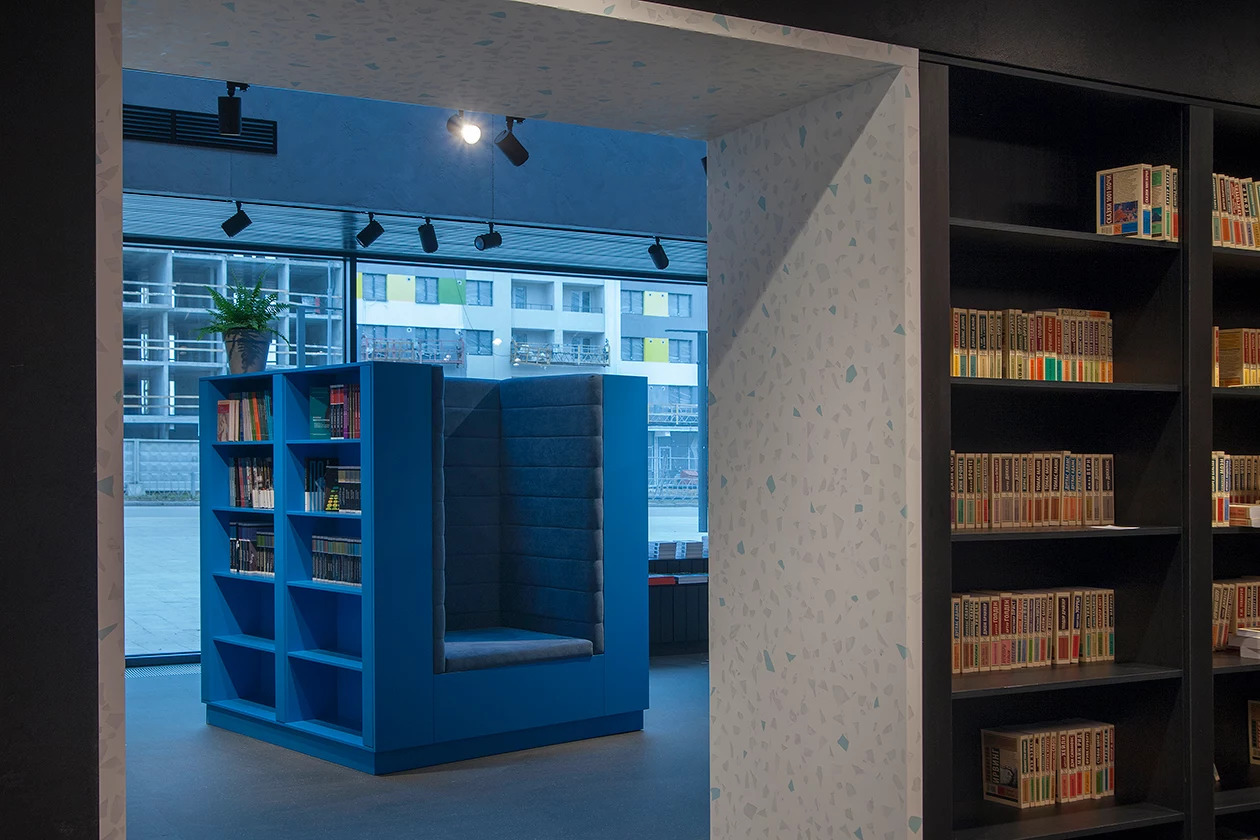
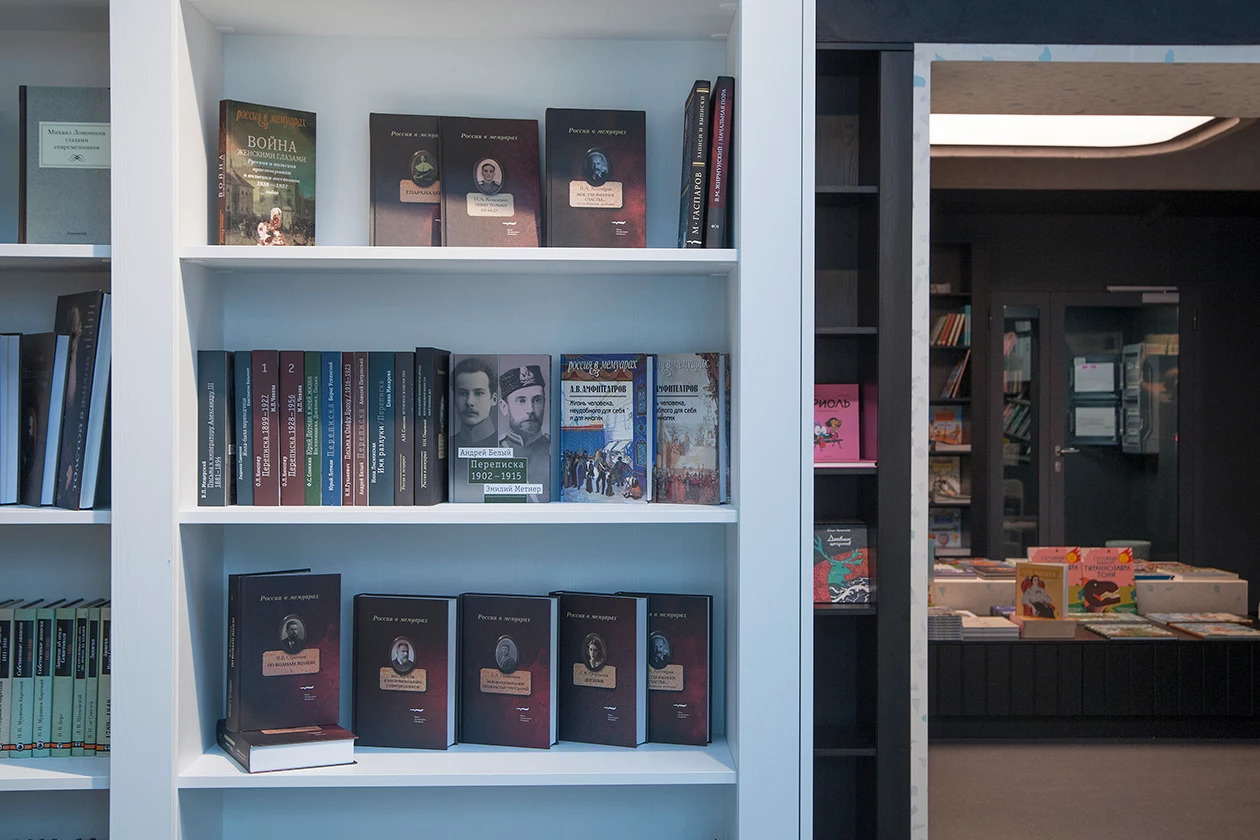
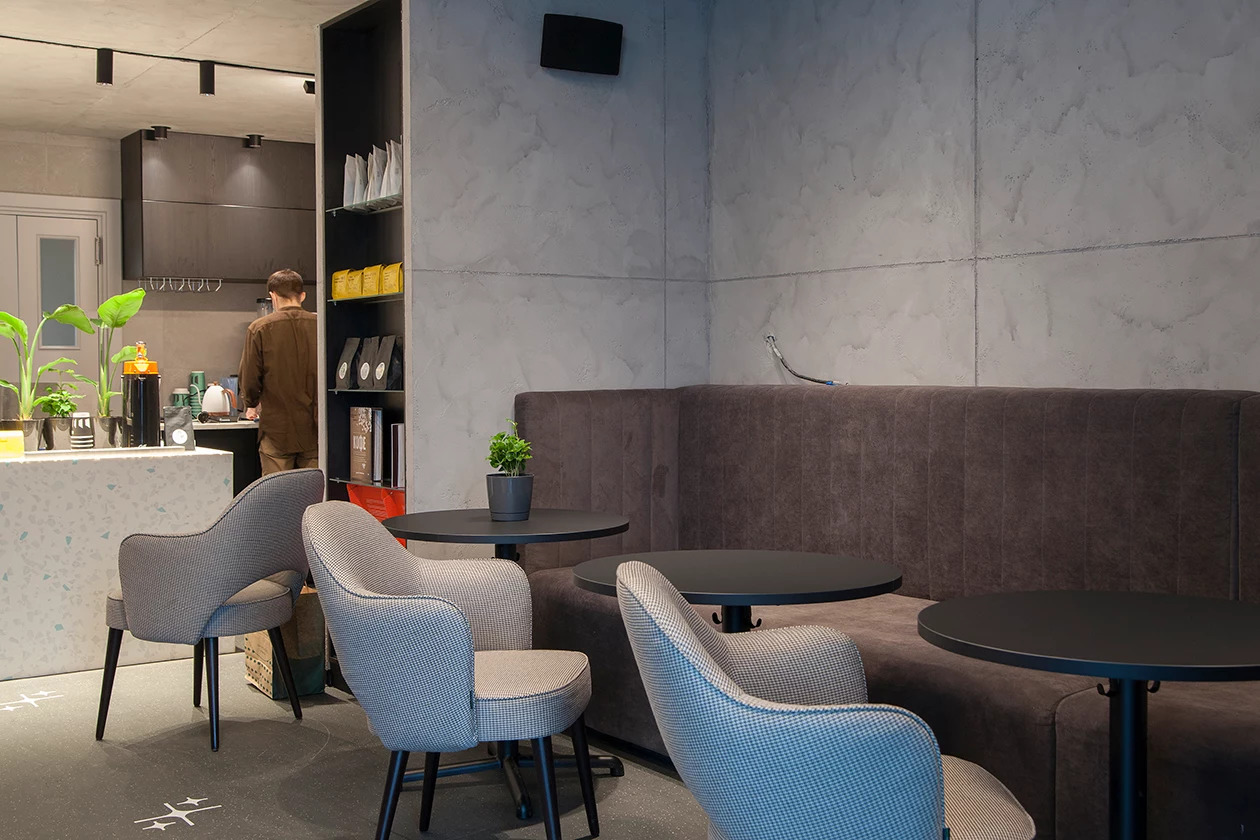
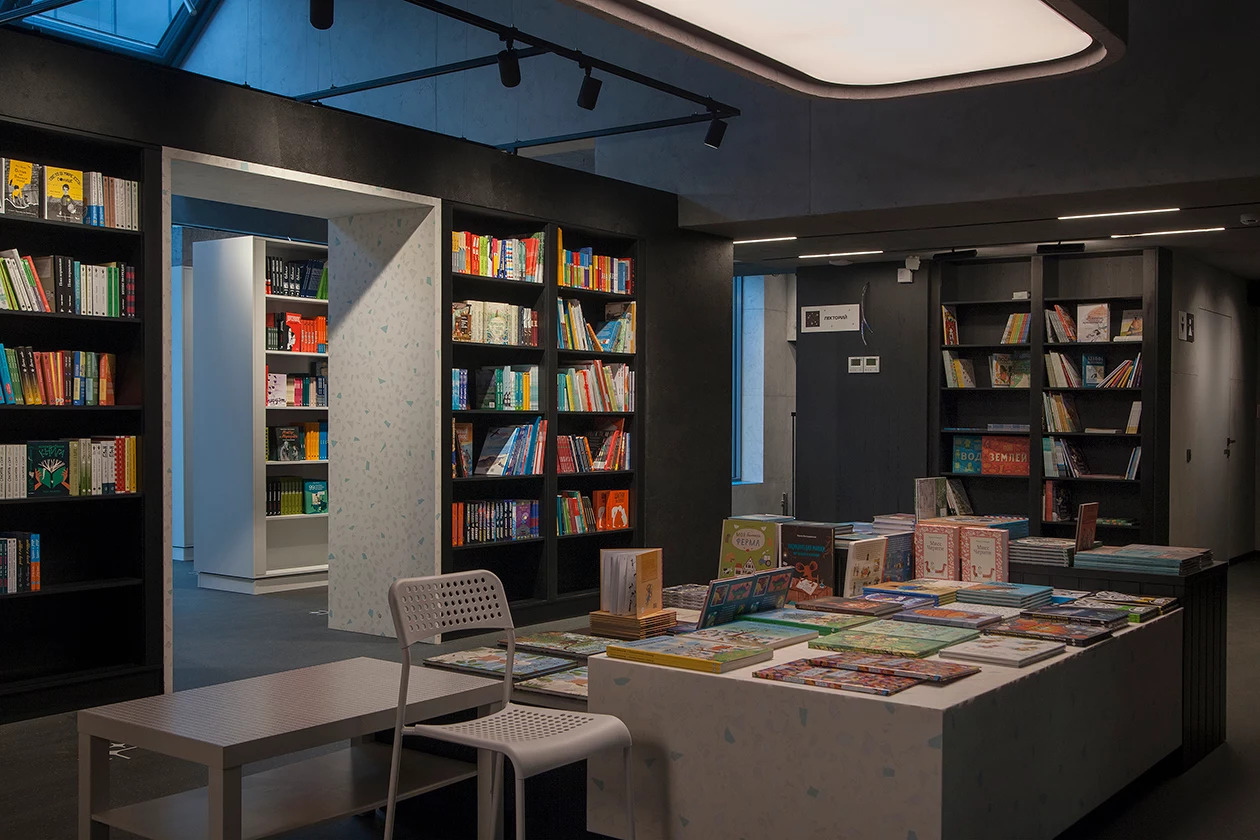
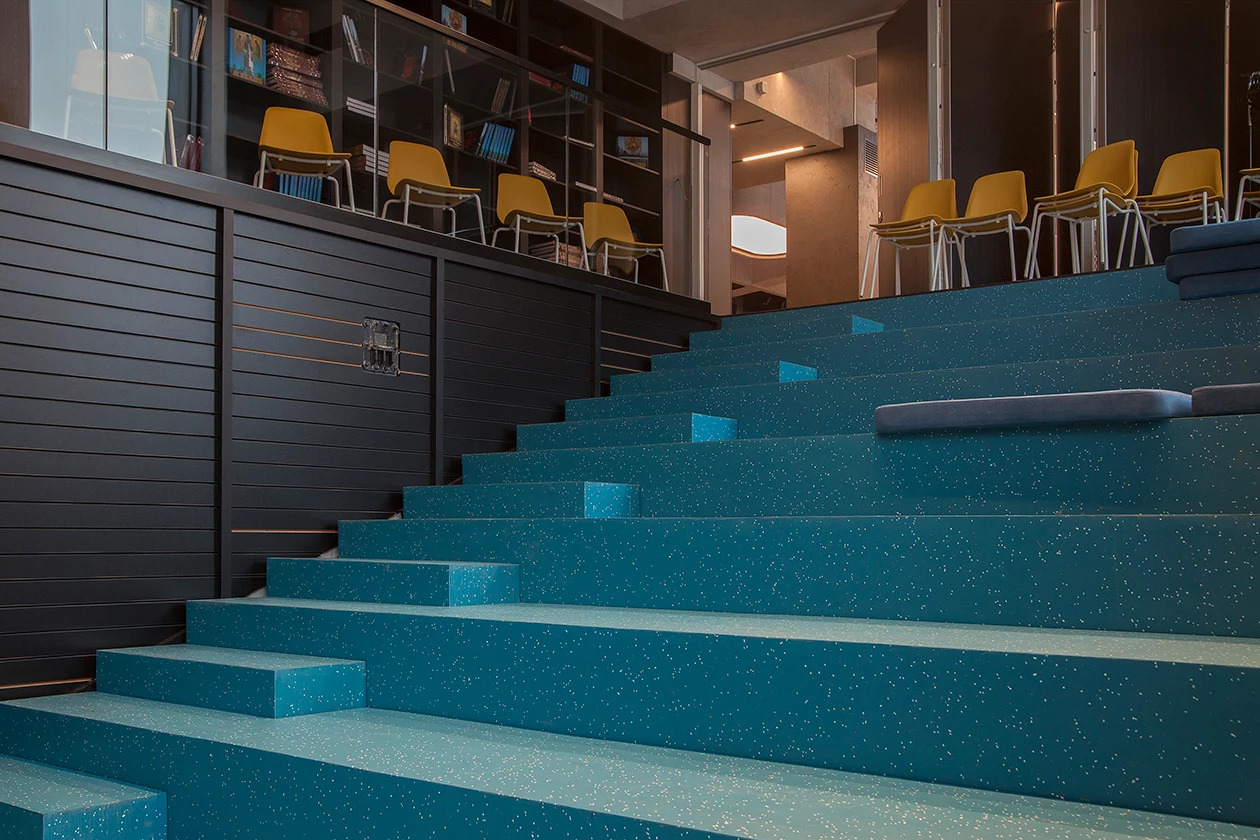
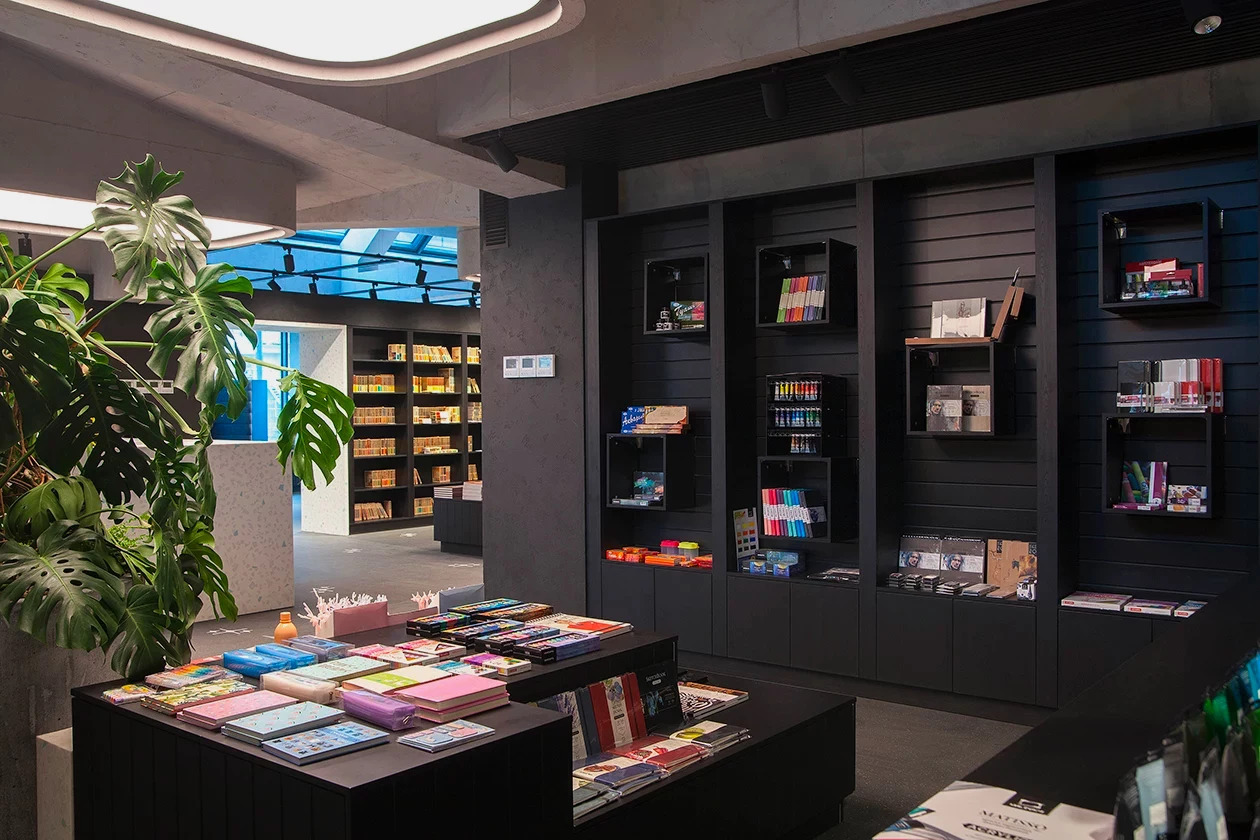
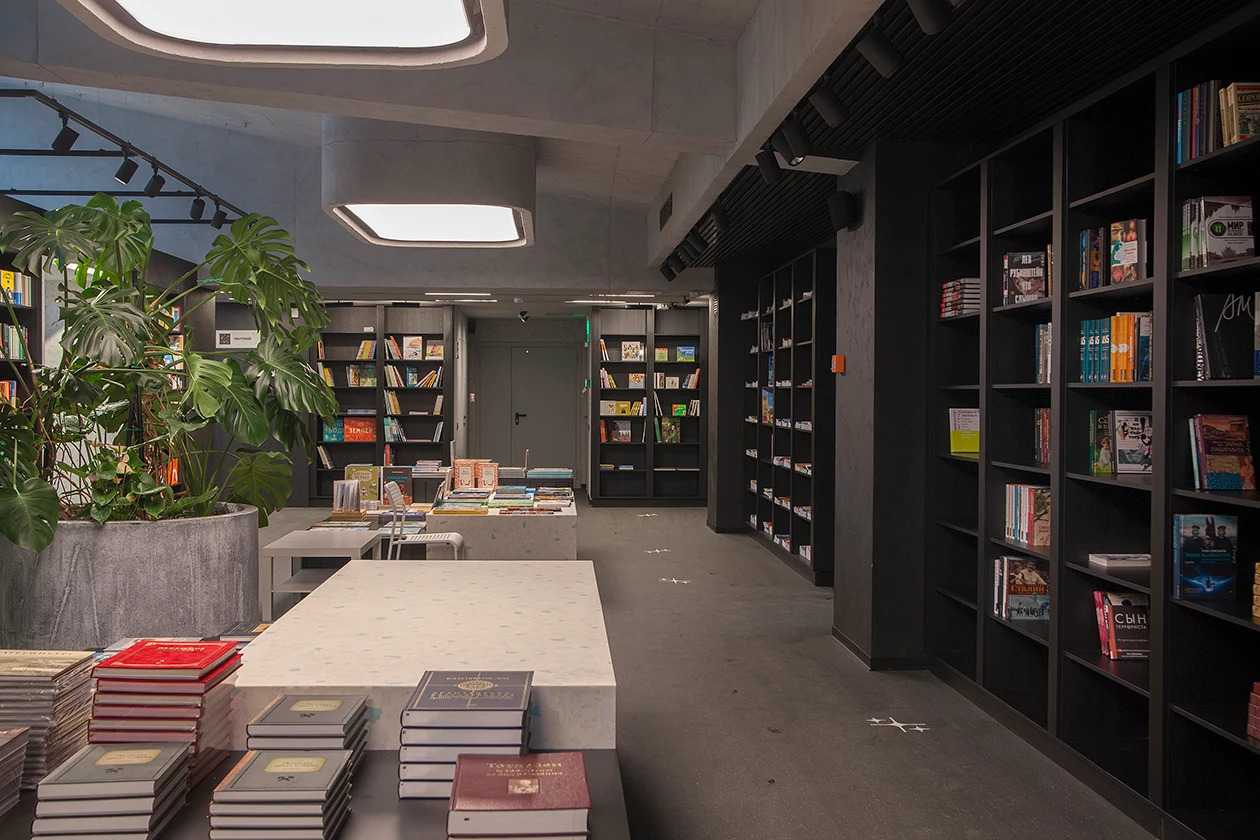
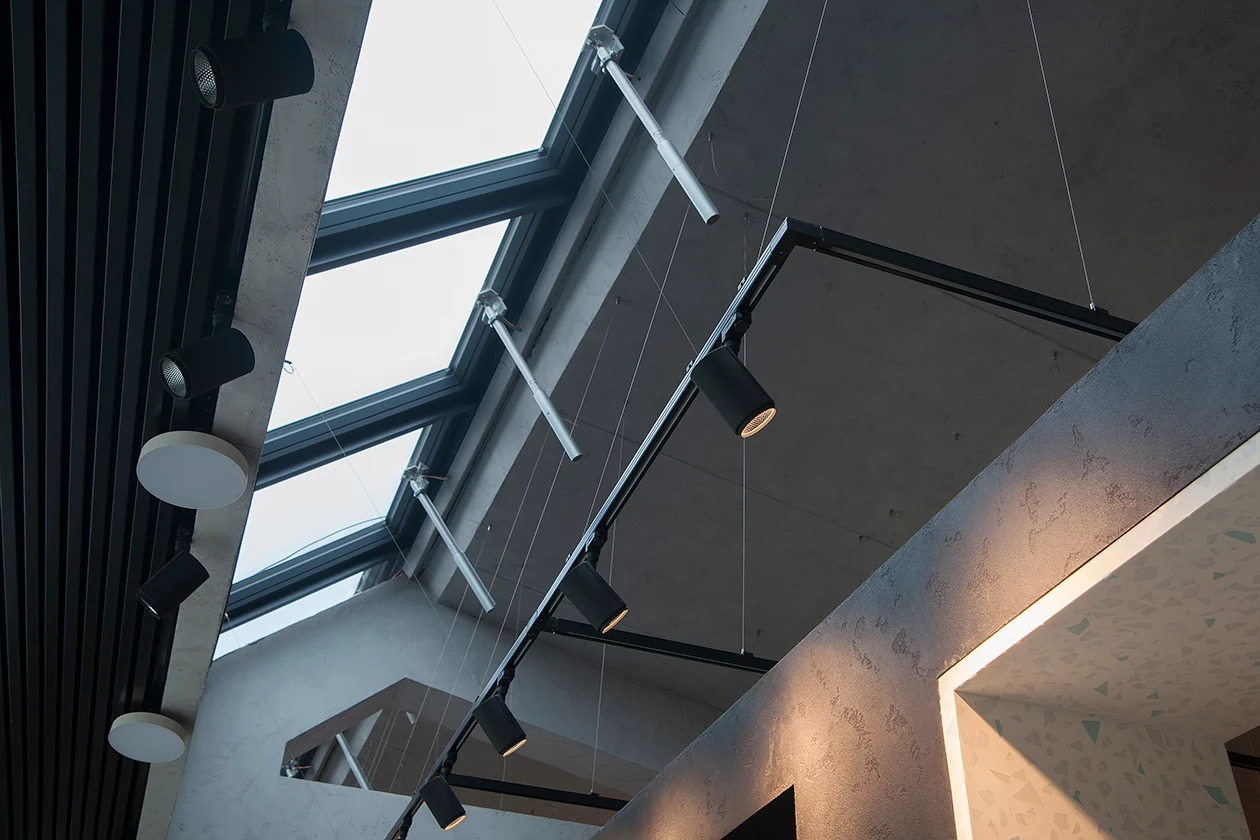
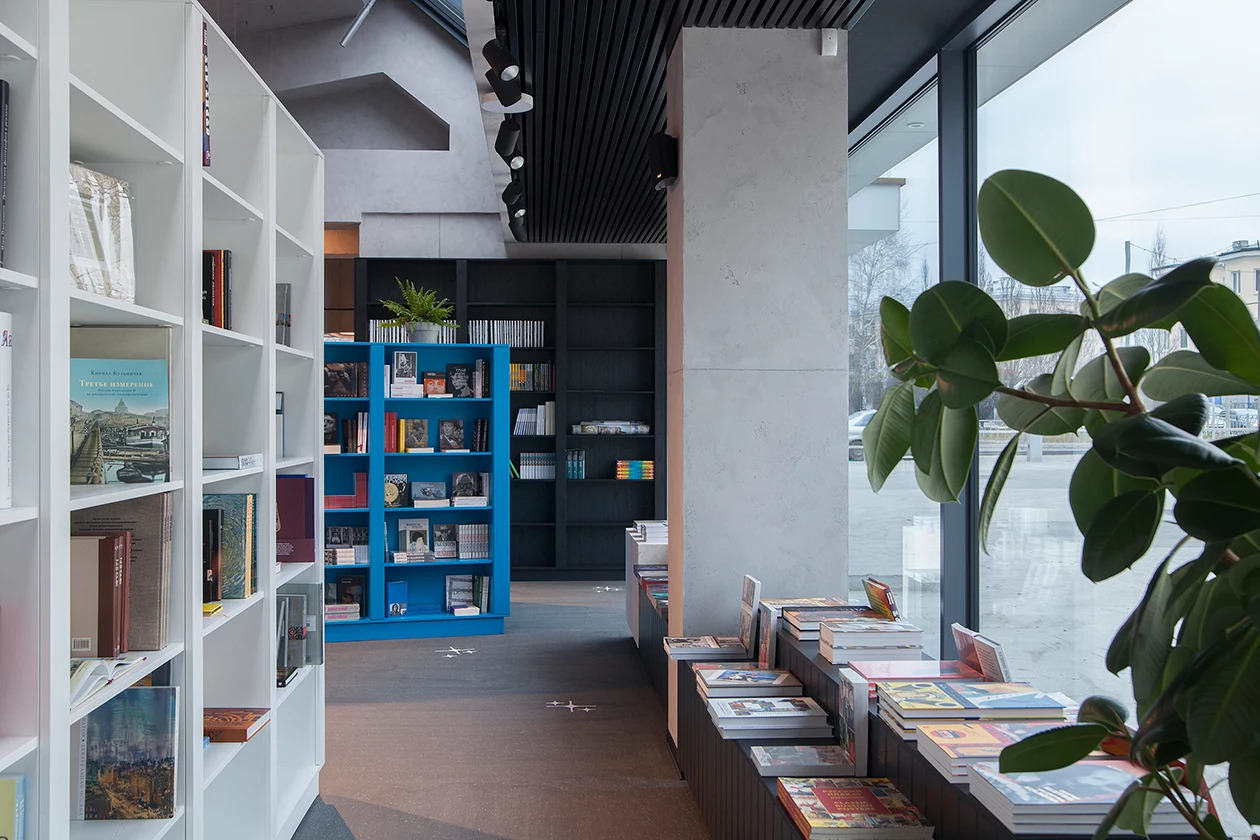
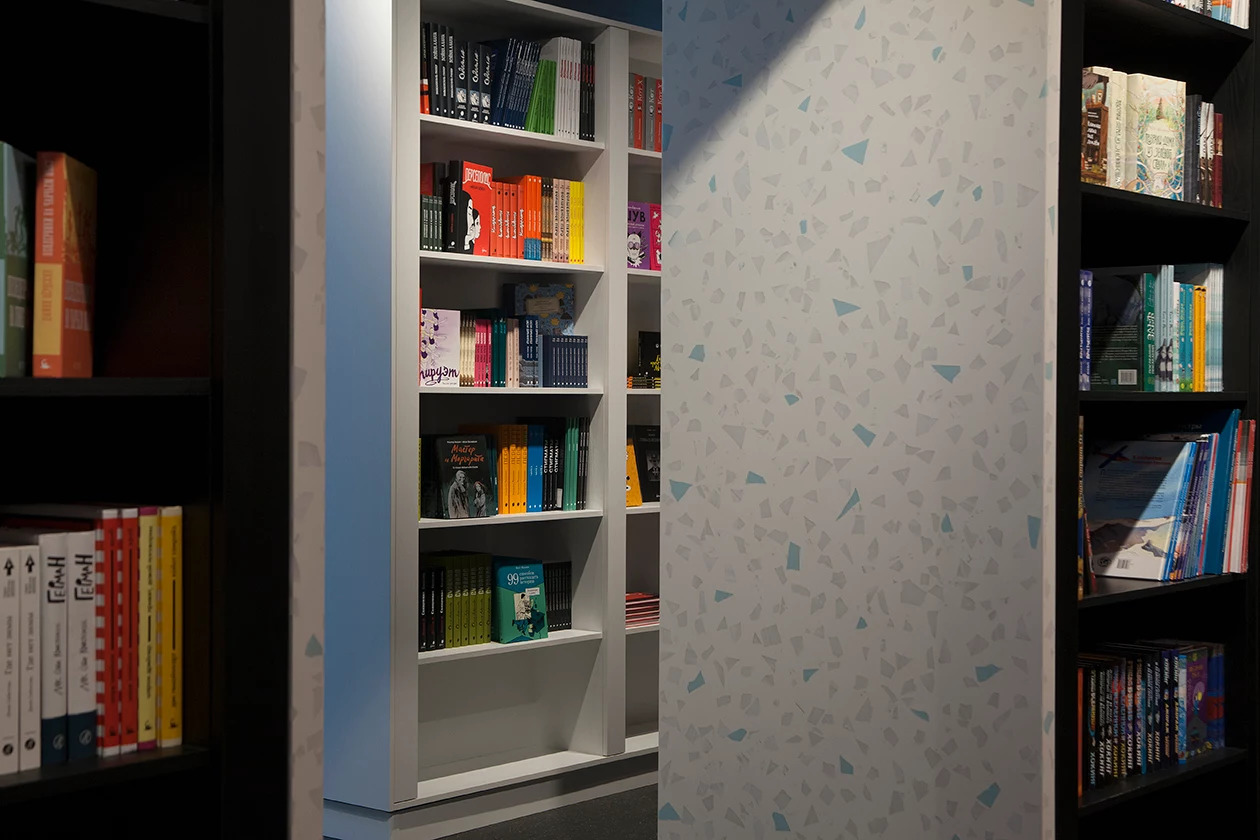
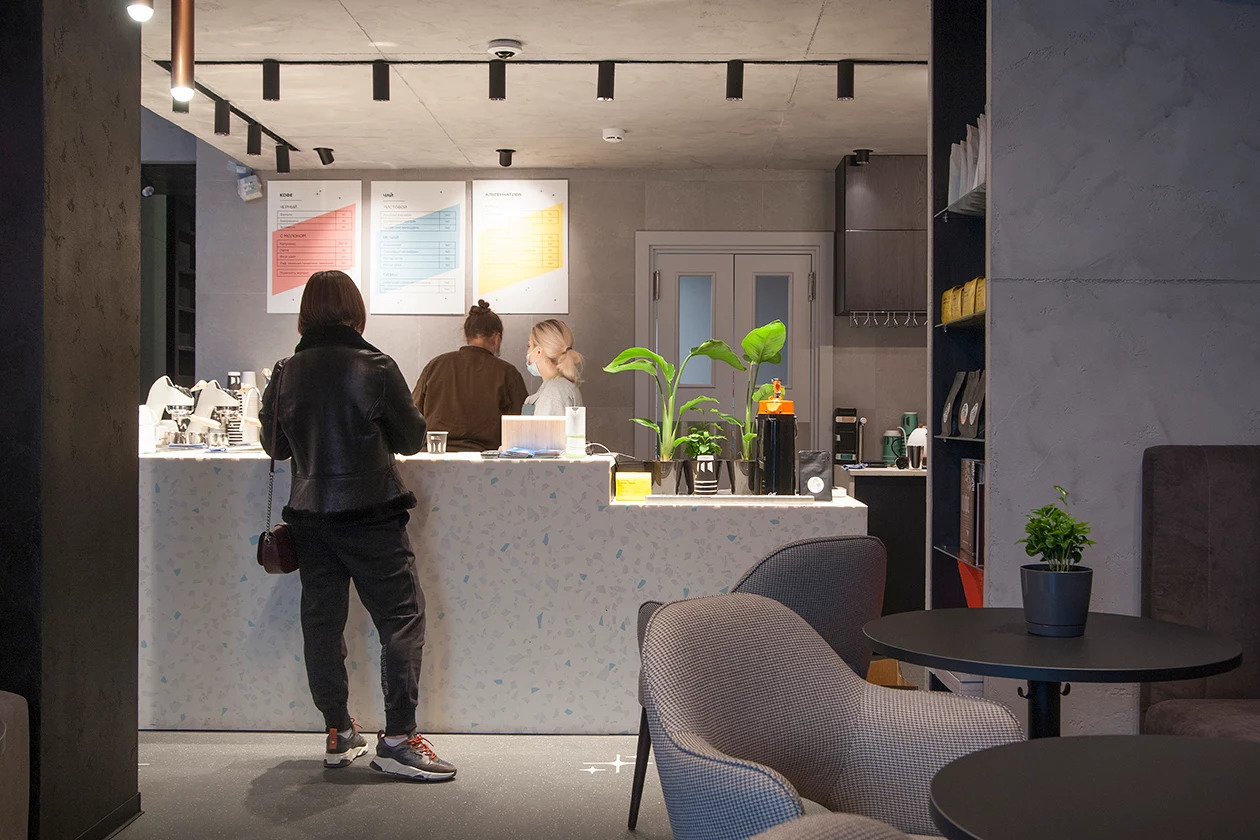
In addition to a large number of books on the most diverse subjects, there is a wonderful coffee shop where you can read a new book or chat with friends, a transformable multifunctional space for lectures and various events, and many other interesting and unusual things. Our task was to light all the premises, taking into account the difficult specifics of the retail equipment layout, the many shadow zones, the different ceiling heights and other constraints and local features of the site.
We faced the need to provide illuminance for the shelves of the sales floor and at the same time to ensure, as far as possible, a comfortable light environment without glare from the fixtures, which required re-adjusting the position and direction of the spotlights many times. The project was implemented with a lighting control system based on the DALI protocol - which always adds joy and pleasure to putting the system into operation!
Location: Verkhnyaya Pyshma, Russia
Lighting technology is an applied field of science and engineering dealing with the generation, spatial redistribution, measurement and practical use of optical radiation. For a long time its role was limited to providing visibility at night, but modern lighting technology has grown into a complex interdisciplinary industry at the intersection of optics, materials science, microelectronics, architecture and neurobiology.
The fundamental turning point in the industry was the solid-state revolution — the transition to semiconductor light sources (LED). LEDs displaced traditional incandescent lamps and gas-discharge tubes thanks to phenomenal energy efficiency, miniature size, longevity (tens of thousands of operating hours) and high resistance to mechanical damage. This made it possible to abandon bulky luminaires in favour of integrated architectural solutions, concealed lighting and ultra-thin optical systems based on secondary optics (lenses, collimators and microprismatic diffusers).
The approach to light quality has changed in parallel. Where luminous efficacy (lumens per watt) used to be the main criterion, the focus has now shifted to colour rendering (CRI and TM-30 indices) and visual comfort. The suppression of parasitic flicker and control of the discomfort glare index (UGR) have become key parameters.
The key trend in modern lighting technology is the Human Centric Lighting (HCL) concept. The discovery of photosensitive retinal ganglion cells proved that the spectral composition and intensity of light directly govern our circadian rhythms. By changing the colour temperature (from a warm, relaxing 2700 K spectrum to a cold, invigorating 6500 K) during the day, modern dynamic lighting systems synchronise the production of melatonin and cortisol, improving concentration during the day and promoting deep sleep at night.
The integration of lighting technology with digital protocols (DALI-2, Zigbee, Bluetooth Mesh) and presence and daylight sensors has turned luminaires into key nodes of smart buildings and cities, where light switches on exactly where and when it is needed.